
NB*** we were unable to send this installment into the ether as our wordpress account needed more money to give us more space to put our stories and photos on. So we paid it, finished up the end bits of our journeys, and forgot to post it!! Alas, this one starts in February to March 2023…
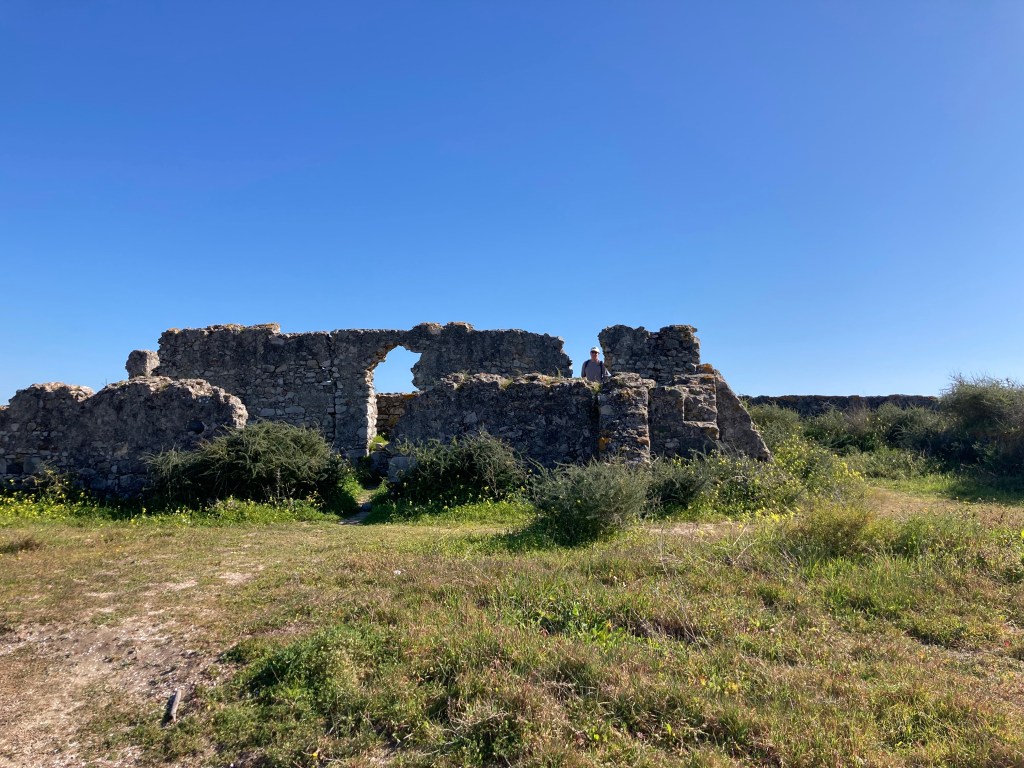
…We arrived back from Spain and had a week in Cabanas, near our friends, Danielle and Butch. Our apartment was very close to the Rota Atlantico which passes by their place 2 towns away. It sounds far but if motivated it was probably walking distance and an easy cycling meander if we had bikes. We went for a wander through the salt marshes between Cabanas and Tavira and wound up at a ruined fortress at the beach looking out at Tavira island.
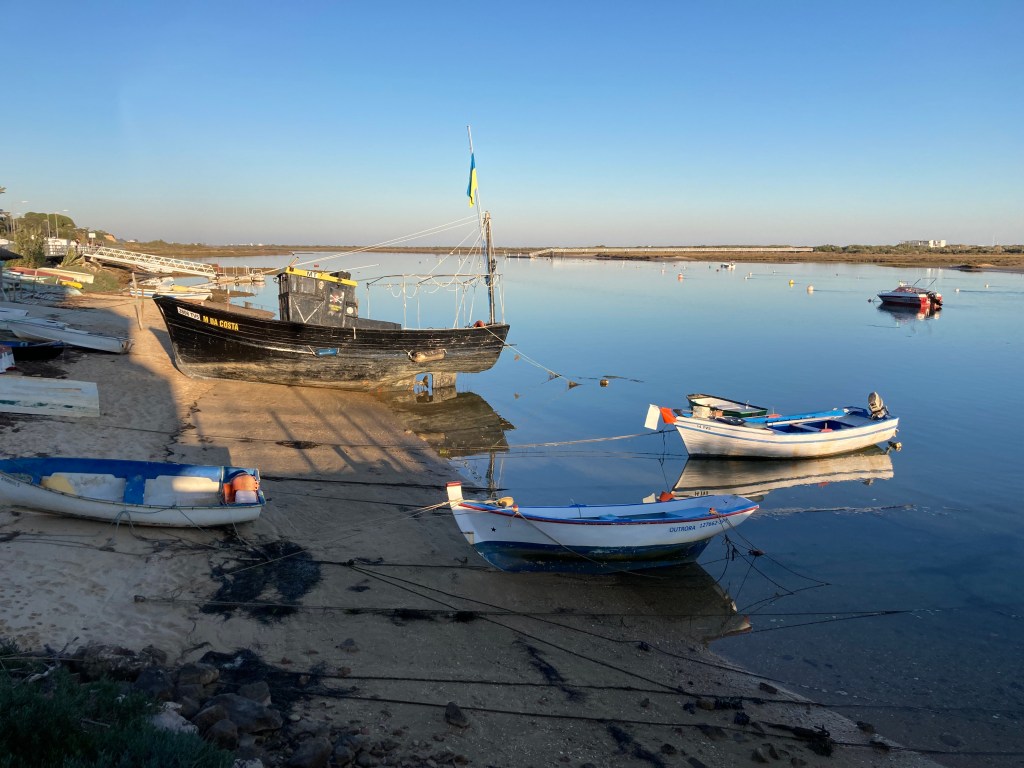
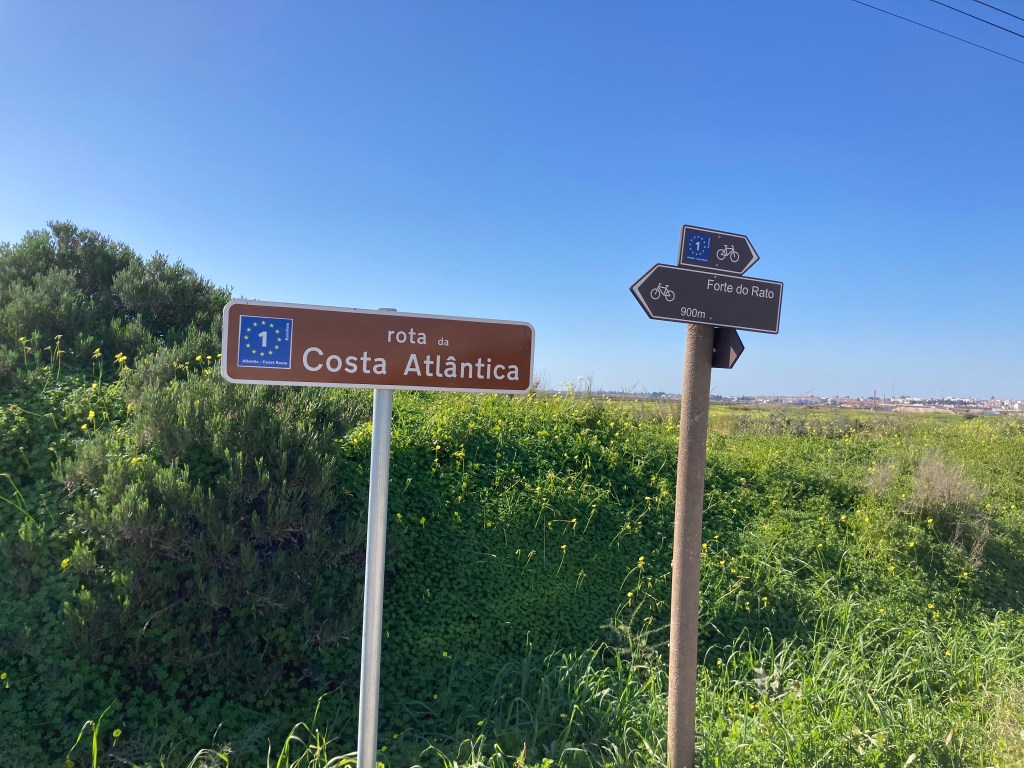
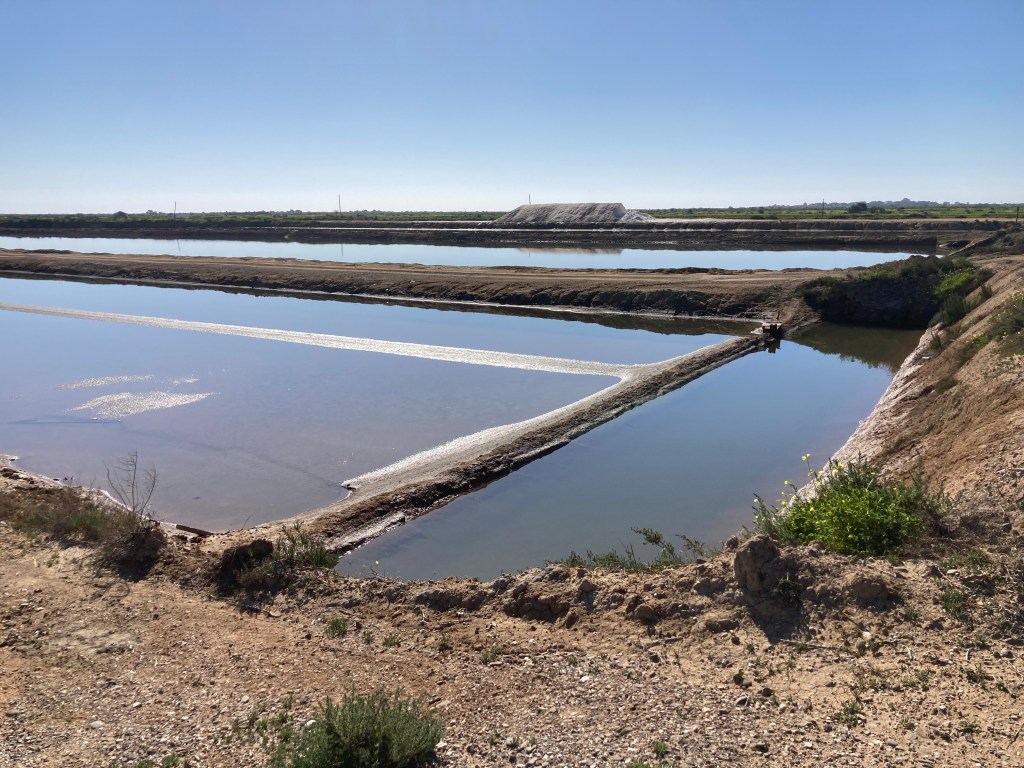


Much of the coast of Portugal from just west of Faro to the border with Spain is made up of a sand dune protective shoal. These sandy islands have salt marsh on their inner reaches and long sandy beaches that stretch for miles. Their popularity depends on tourboats, bridges and local ferries. Some are inhabited and some are deemed protected. There are interpretive walks telling about the flora and fauna, ruined fortresses and acres of organized salt drying. It was hard to destiguish if we were in Spain or Portugal since this area is very similar to that of the salt marshes we visited around Cadiz and Chiclana.
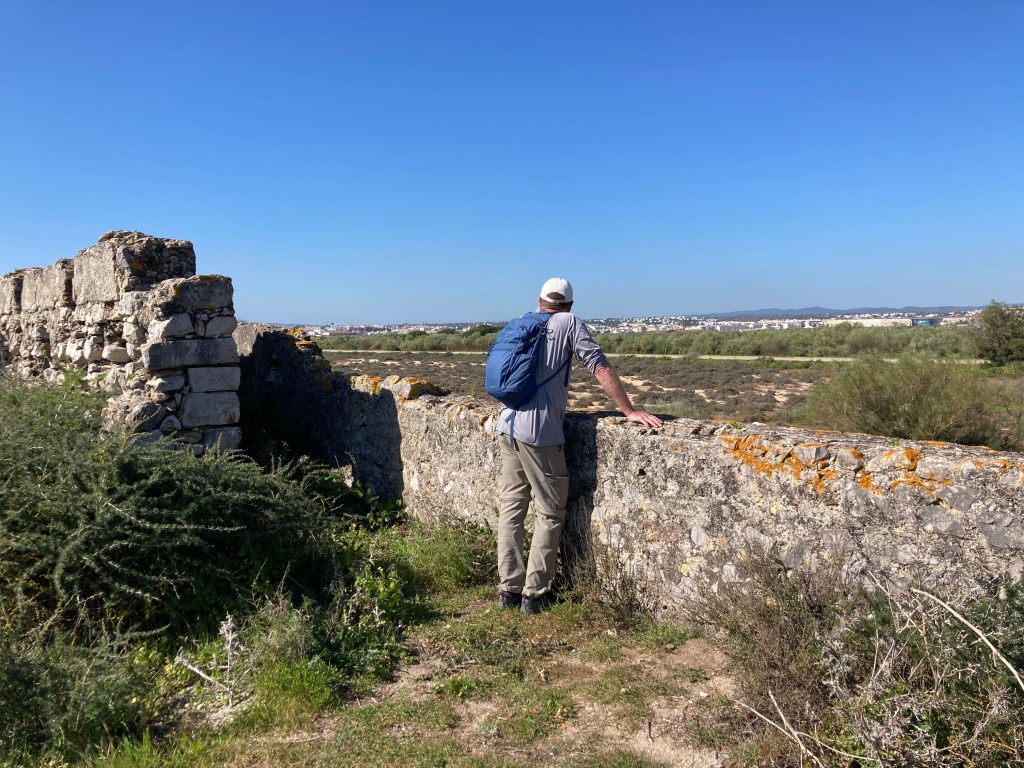
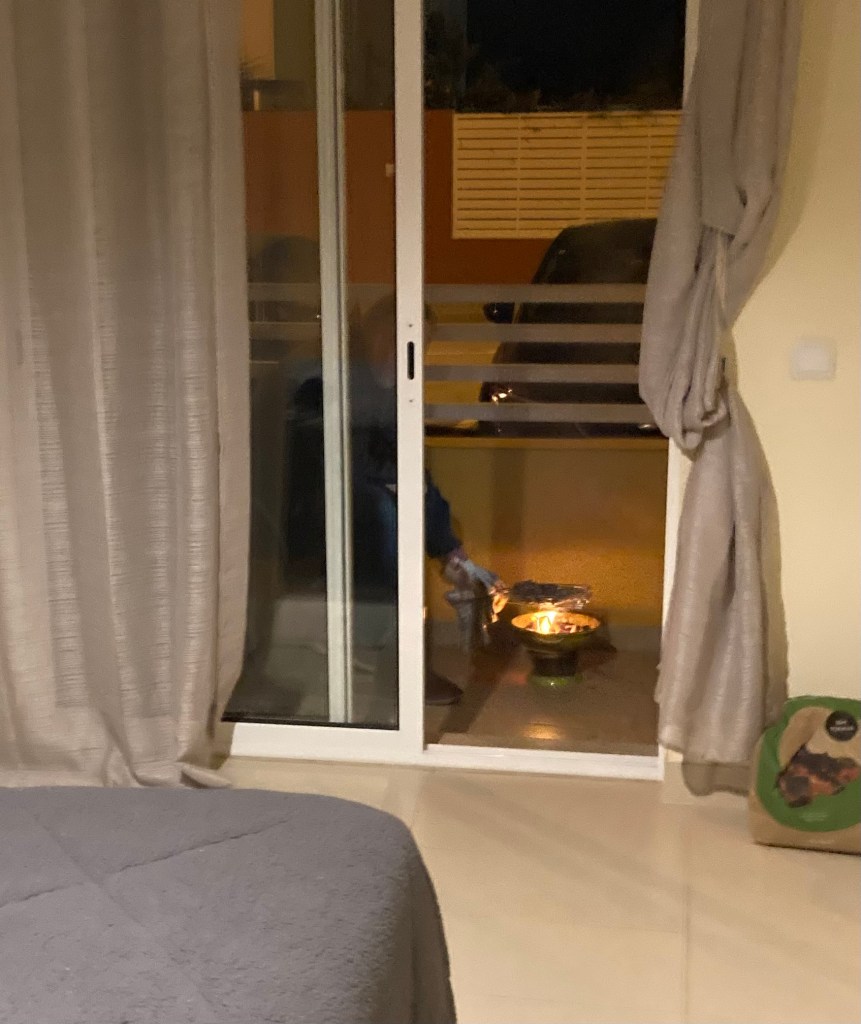
Over Christmas and in Spain we had enjoyed the grilled fish, steaks and vegetables. We found a 5 Euro firepit/hibachi and used it on our balconies for the rest of our Algarve stay. At the municipal market in Tavira we bought fresh Dorado and had a great meal with Danielle and Butch. Weird the balcony was off the bedroom. Ah well, the ’80s called and stuff was randomly built.


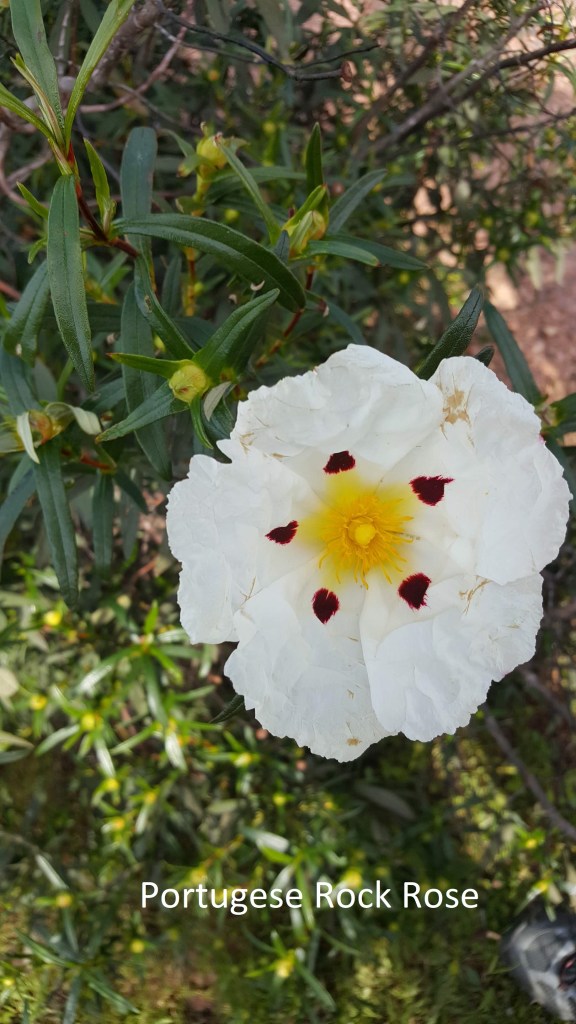
While the coastal province Algarve east of Albufiera is flat with long beach expanses, driving north it becomes hilly and forested leading to the province of Alentejo. Along the Guadiana River north to Alcoutim and Mertola the road winds through steep hills covered in Portugese Rock Rose, pignon pines, eucalypyus, and oak. Much of the oak has the tell tale signs of cork harvest while the pines have no cones below them due to the pinenut harvest.
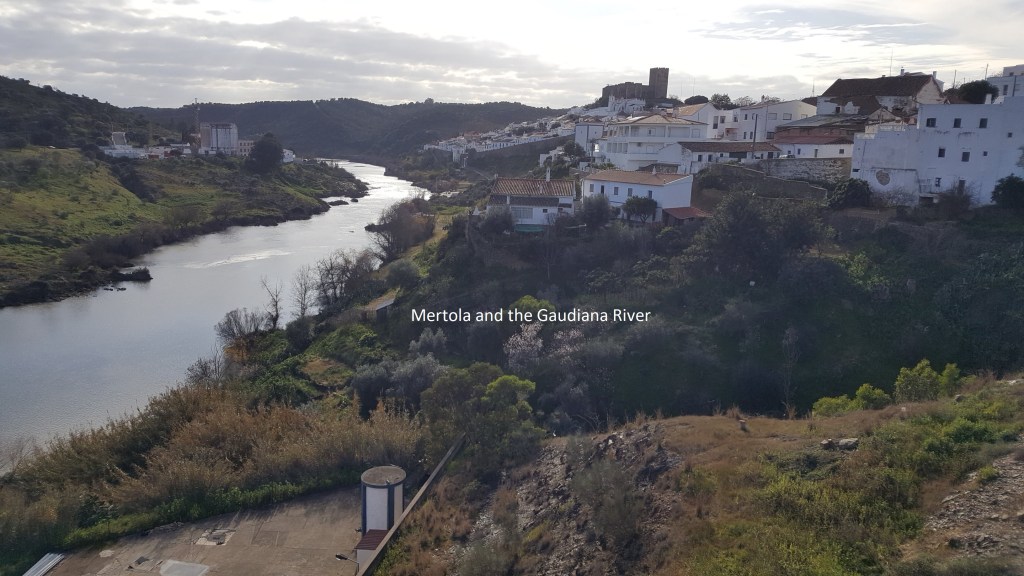
The Guadiana river, providing the border between Spain and Portugal is navigable from the Atlantic to Mertola a distance inland of 68 Km’s and historically a strategically important shipping channel. It is tidal all the way to Alcoutim. We were surprised to see large, deep-hulled sailboats secured in their moorings in the middle of the river as we were so far from waters requiring such designs. The area has proof of inhabitants from the neolithic and iron ages but the main story is of the Phoencians, Romans, Visigoths, Moors and Christians all using this channel to move armies, copper and iron from local mines, wine, livestock, fish and grains, from the coast to Mertola then by land to Beja, Evora and Lisbon and back again. It was hard to imagine Alcoutim, this sleepy little borough, as a main thoroughfare. Across the river the Spanish fortress topped town of Sanlucar de Guadiana rises above Alcoutim. Currently these two small communities share their marketing dineros to attract tourists to both sides of the water. It probably wasn’t that friendly throughout history. Littered with Moorish art and architecture and names beginning with “Al”our imagination was caught in the histories of the times.

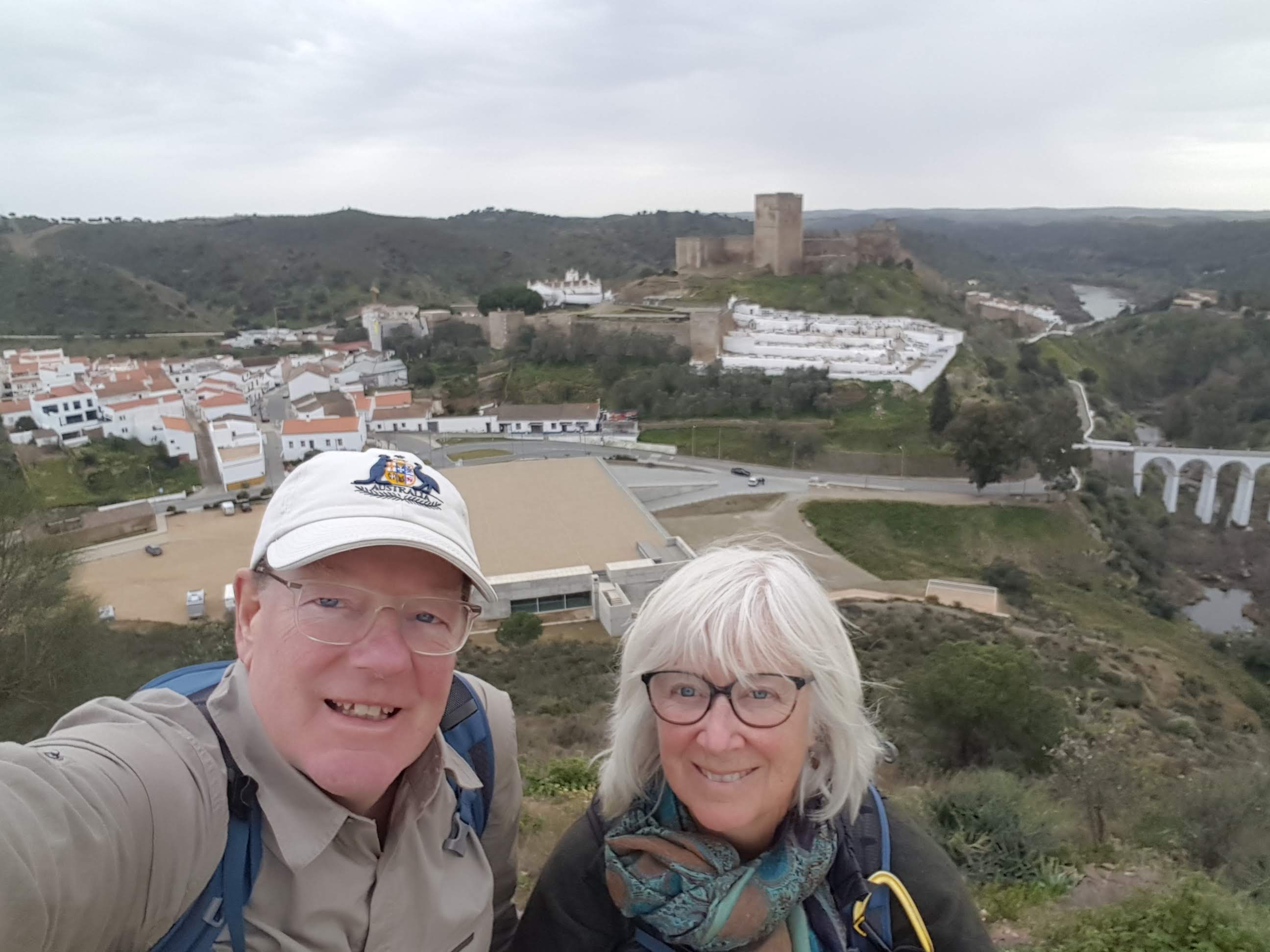
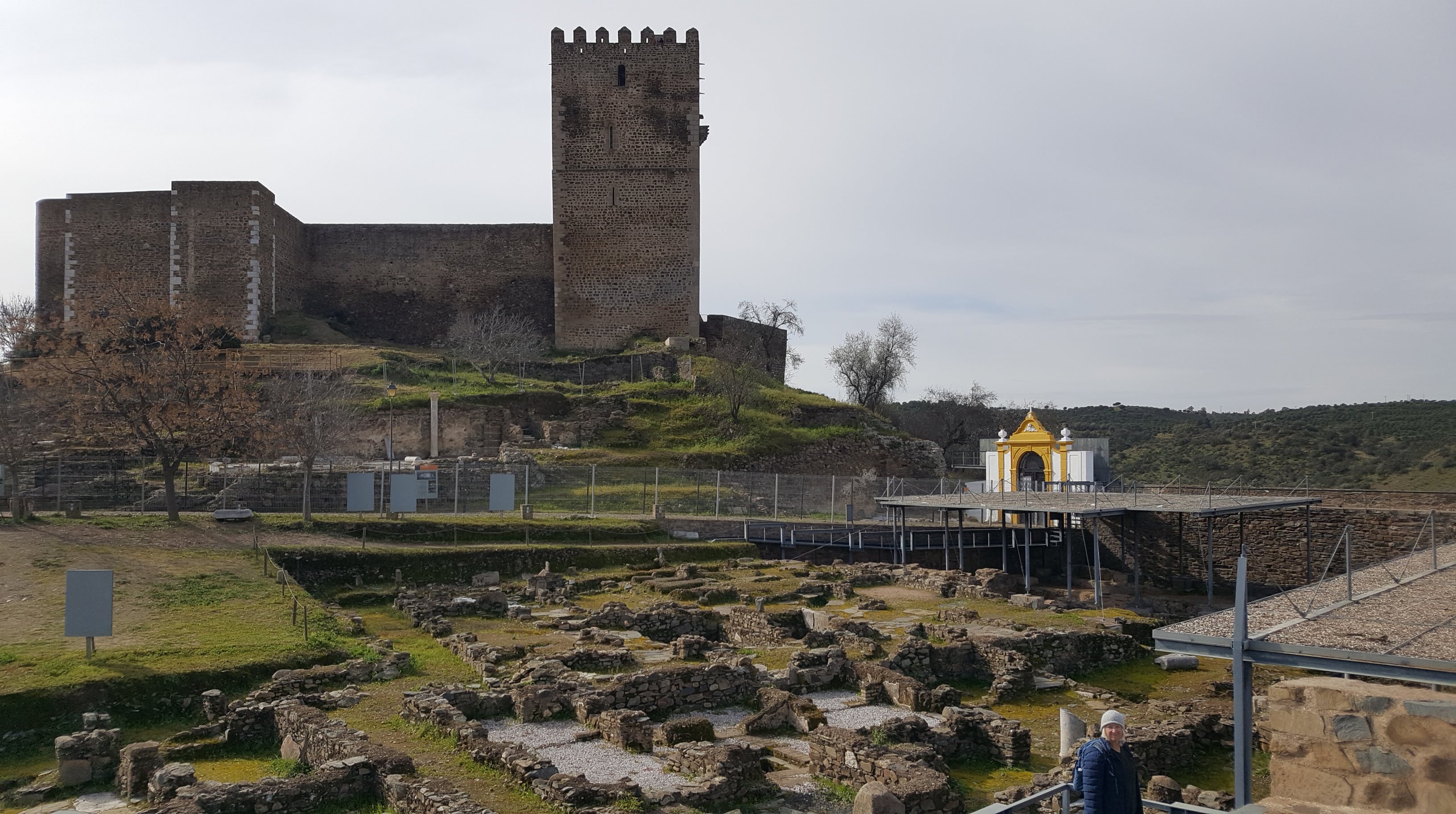
Alcoutim was a quick stopover on our way to Mertola. Originally we were looking at the map and saw that Mertola is in the Parque Natura de Guadiana and we read that there were some nice hiking areas in the hills and along the river. We booked a room for 3 nights overlooking the river. Both sides of the river at Mertola are in Portugal so we explored both. Our apartment was within the ancient wall of the town on an ancient graveyard with Islamic village remains around us. A short walk up the hill and we were at the tourist information office. The town is literally set up as a museum. We were given a map that lead us to the church and former mosque, the castle with ancient roman baths, water storage and traditional Islamic village, apartments with kitchen, en suite and sewer. At the Moorish museum we discovered the pottery art works that give the town it’s iconic logos and Moorish festival. Mertola is the sister city to the blue city of Chefchaouen in Morocco and embraces the ancient Islamic iconography.

We also found the old roman road with its red-white stripe identifier as an ancient route and walked along it for a few kilometers before heading back to town. These well built roads that have been used for millenia will probably last another few thousand years.

The drive across Portugal from the Spanish border to the west coast takes about 2 hours. The drive from the Algarve to the most northerly point takes about 6 hours. Vancouver Island is similar in length. The farthest point to point distance across Portugal is 567 km, for Vancouver Island its 447 km (although Portugal has three times the overall landmass). This was a mind blowing idea and gave us some perspective while travelling across longer distances. Our next stop for a few nights was on the west side of the Alentejo province at Vila Nova De Milfontes. The drive across is through farmland focusing on wine, cork harvesting, sheep, pine nuts, and logging of eucalyptus or gum trees. With farming comes the people who work the farms and the short term workforce that is brought in from other countries. When speaking to the tourist info person in Milfontes, we learned that the abundance of south Asian men were originally brought in as farm hands but that the “mafia” (his choice of words) was now smuggling men in and housing them with 20-30 in a room. He was distressed that the surrounding national park, was being farmed, mined, logged, and inhabited with no protection and no government immigration intervention since COVID. We went into a small grocery store and spoke with a staffer who said he was from Bangladesh. The store had the best mango pickle from Bangladesh we had ever tasted. We assumed a big part of the migration was from there. All had cellphones and all were in separate conversations while walking along the road or sitting at a bench. The little Portuguese fishing village had the bones of its heritage but the Portuguese locals seemed to be becoming the minority and we sensed a nervous, uneasy edge. Tourism has priced them out of their homes and lax immigration was changing their livelihoods. The tourism info guy was frustrated at so many levels. He encouraged us to go elsewhere to be tourists. His first choice was Odemira. So we did.

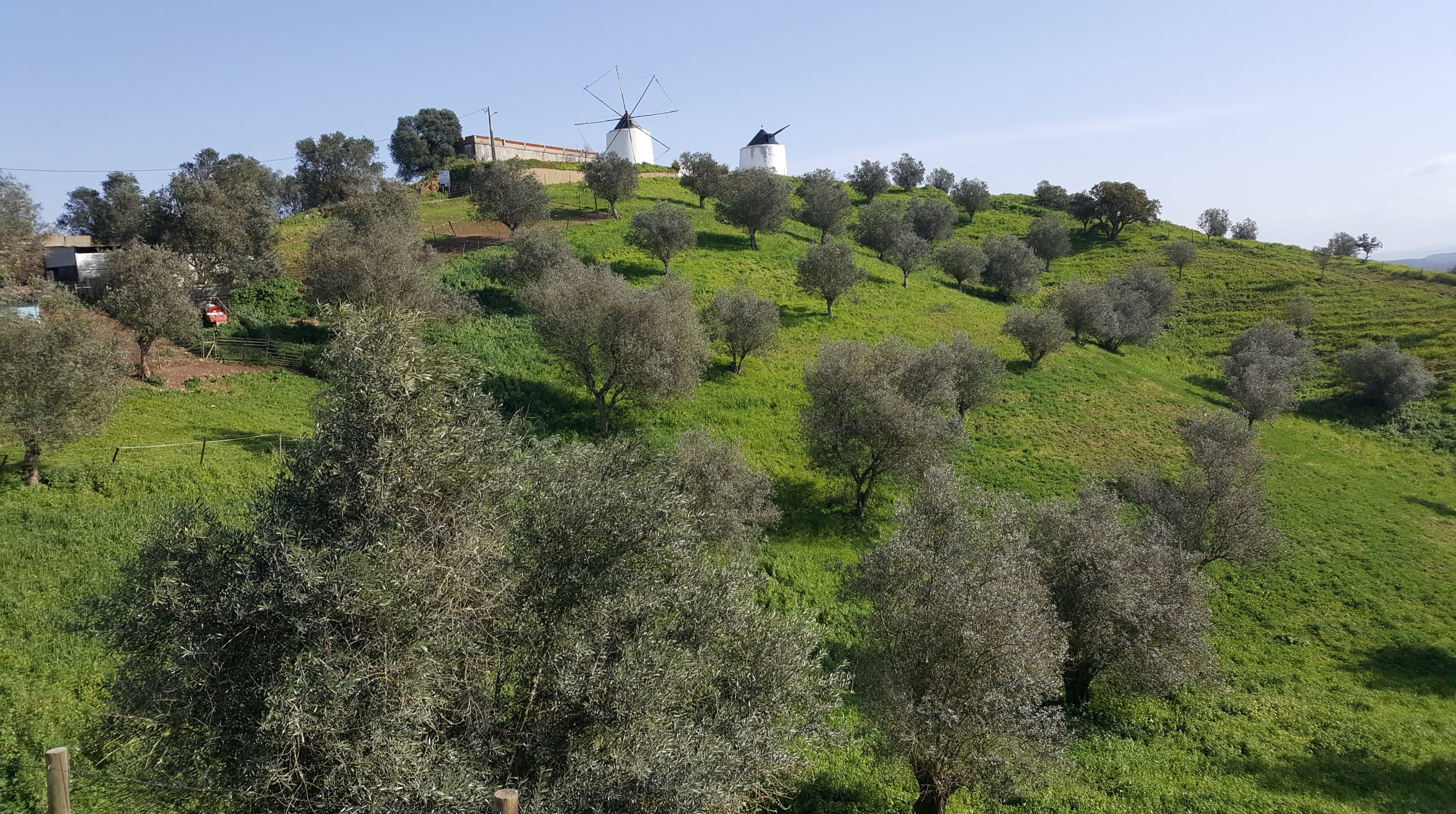
We had a map, and packed a lunch. We started to follow the map, changed course, got lost and found a windmill. That’s how we roll sometimes. There is never a downside to these detours because its all new. This detour provided us with an impromptu look inside a functioning windmill. What a slice! Our walk around Odemira brought us up to a viewpoint at the top of the hill overlooking lush agricultural lands and, as if to accentuate the agricultural point, there was a windmill with a bench beside it. As we admired this great perspective eating our olives, cheese and Portuguese bread we noticed workers going in and out of the mill. As we finished we started to make a quiet exit but were hailed by a worker who seemed to be waving us in to see the place. Well being the food-centric people we are, we were delighted to have a personalized tour of one of these historical relics. We learned many unique aspects of the windmill from the very proud-to-oblige worker. In spite of our terribly inadequate language skills, we used an abundance of gesticulations, broken Portuguese, Wow’s and Obrigados / Thank You(s) to glean what we could from this moment. Like, the whole domed top with the blades sticking out revolves on wheels mounted inside. Fascinating!


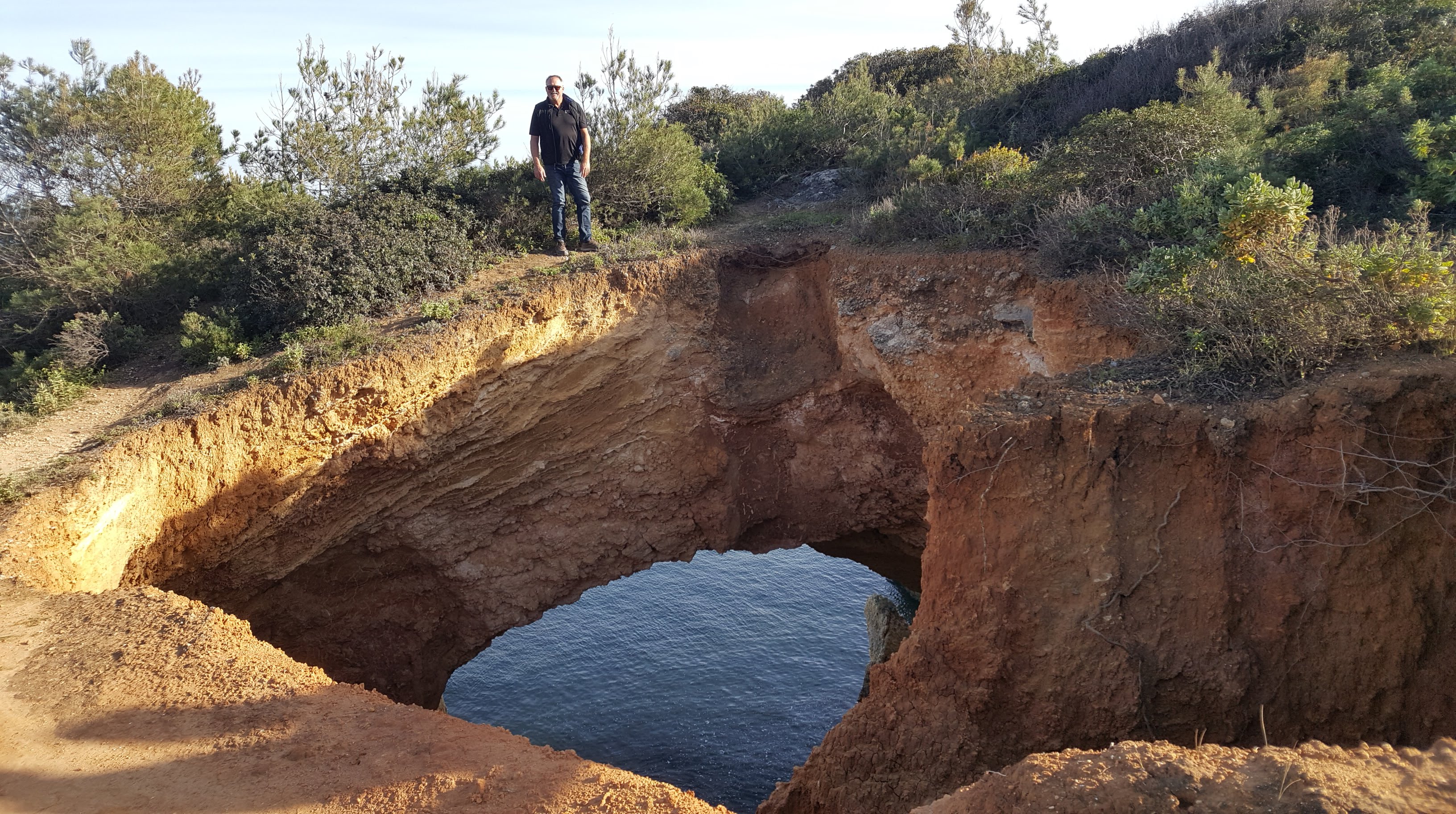
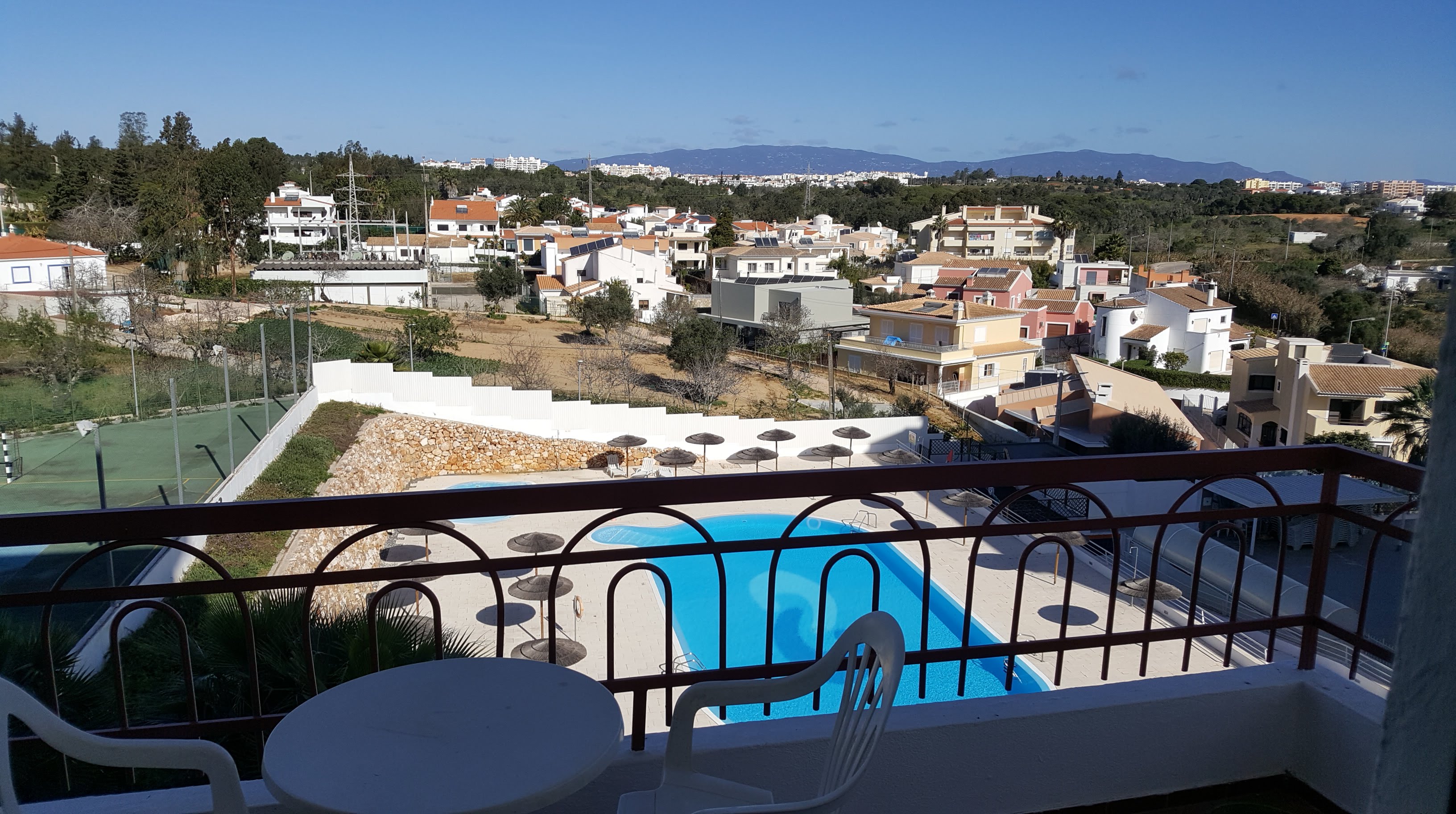
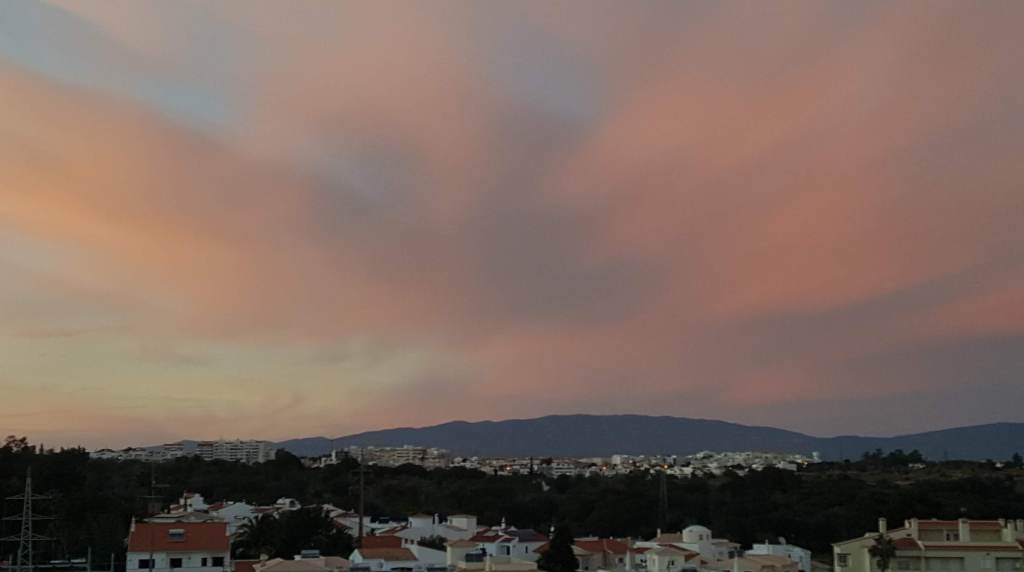
While moving around is enjoyable, it is also more expensive using short term rentals i.e. Airbnb or Booking.com. Probably because they include toilet paper and heating. Sometimes salt and pepper and olive oil too. Who knows. At Christmastime I found an apartment near the beach between Portimão and Alvor that we could rent for a month for about 24 Euros per day. It said it had an oven, heated, wifi, elevator, view of the mountain escarpment and a 7 minute walk to Praia de Vau. (Mountain? We had yet to recognize any “mountains” nearby.) We moved in on Feb 17 for 4 weeks. Most of the facilities promised were there but no oven, wifi, and no heat!! Fortunately the online ad backed up our expectations and a router and heater was supplied the next day with some assertive discussions with the management. We spent a chilly first night there with a worry that an inexpensive month could become first world disastrous. We heard about a second hand store called Cash Express and found a counter top oven for 30 Euros with the option of them buying it back for half price. So we bought it, used it, and returned it when we left. Perfect! Our apartment was tired, but had very good bones. We had a big deck so we could use ourhibachi style BBQ and we felt like we owned the world. Our beach in Praia de Vau was lovely and the clifftop walks had spectacular Algarvian beauty with no crowd. We were under an hour to the Monchique mountains, the west coast, Sagres, Albufeira, Lagos, and other places that we had not explored.




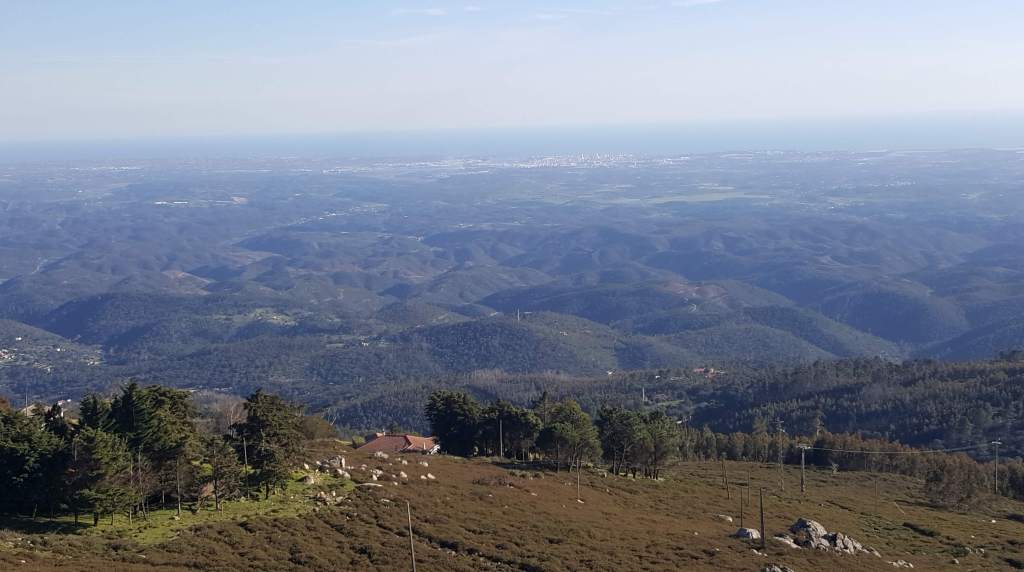
Monchique. I found an article on Monchique that mentioned a hot springs, hiking, great views, and that it was a must see. It must have been, because we went 4 times during our stay in Portimão. The first time was to suss it out. We brought our bathing suits in case we stopped at the Caldas de Monchique springs. No time, we summited both escarpments and ogled the views which were spectacular.
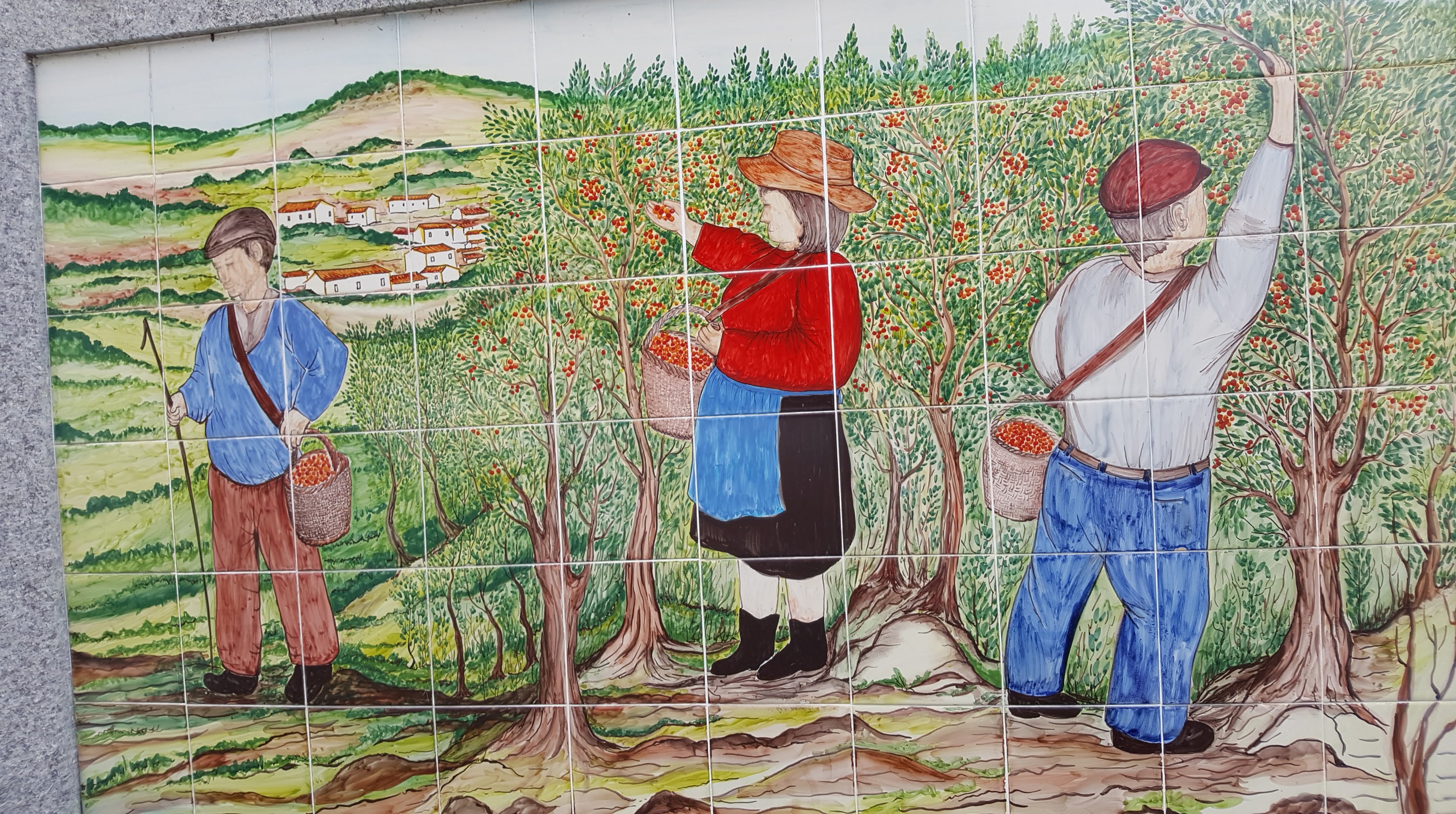
Our next time up was because my credit card may have been lost there. We drove up, spoke to the tourism info and local police force then drove the west slope to Aljezur. Using Google maps we skirted along single lane roads with terraced farms built into the precipiced land. A village called Marmelete forced a stop at the Casa de Medronho where the Arbutus (sometimes known as strawberry tree) distilled spirit is celebrated. Unfortunately closed that day, the large windows gave us a glimpse at the woodfired still used in distilling the Arbutus aka Madrona fruitwine. We continued to Aljezur.


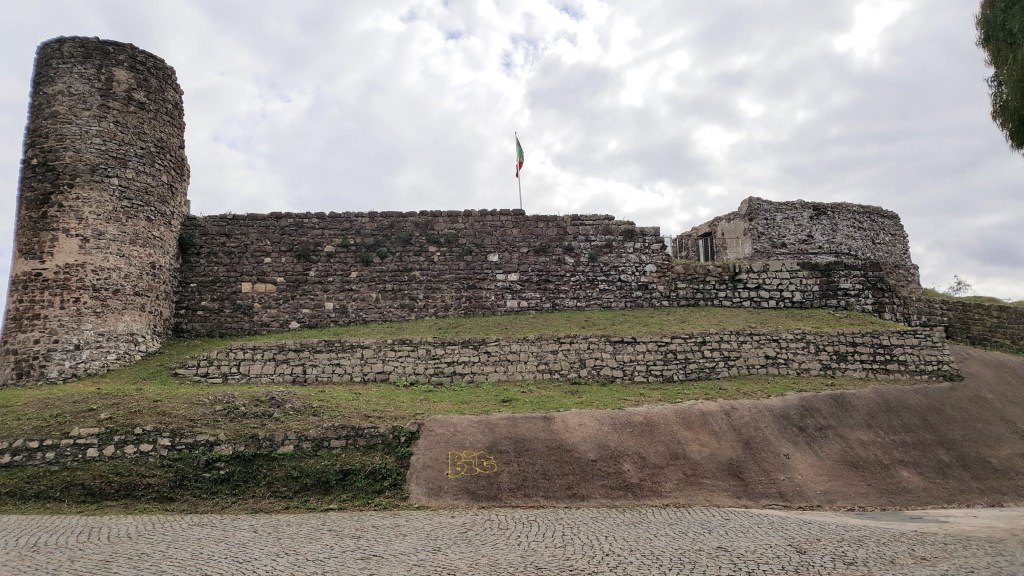
Aljezur is a walled hillside town built above an inland estuary over a winding valley of farmland. Centuries before the silt on the river plugged access to the town, it was a busy port. It was hard to believe since the surrounding mountains obscured the river and Atlantic ocean downstream. The town has a 1-2 hour interpretive walk that takes you through winding narrow streets and up to the castle. There are the organized ancient walking routes through the valley that join the pilgrim trails and ancient roadways. As usual, over the centuries, this town was Roman, Visigoth, Moorish, Christian and all the others before and after. Very cute town with a strong fortress that had a 360 degree advantage over its would be marauding pillagers.

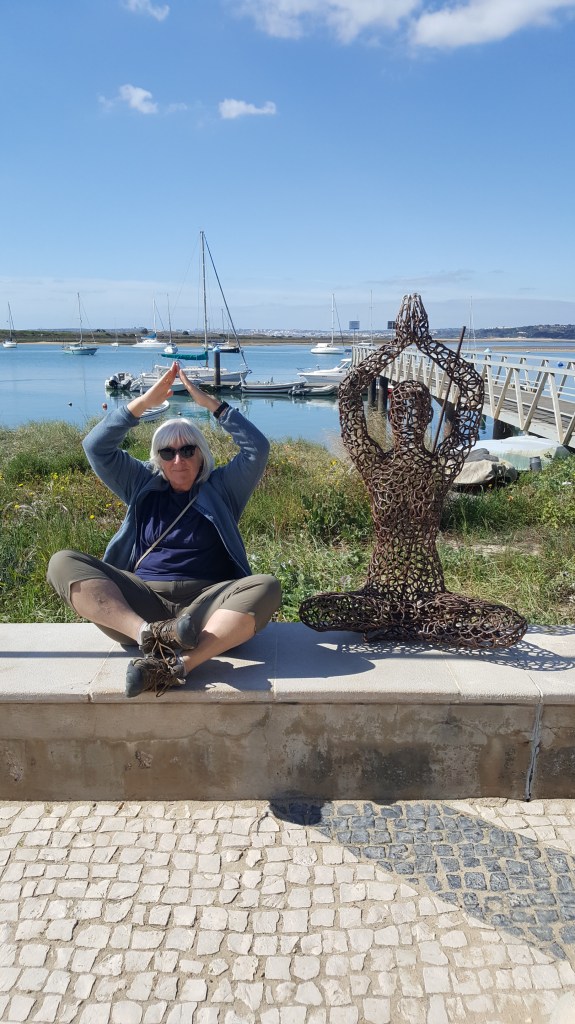
Next Monchique summit was with our friends who had visitors from Canada and on our recommendation it gave a fantastic view of the Algarve and up the west coast.
And finally our 4th foray was to the Caldas de Monchique for a dip in the hotpools. Inexpensive and decadent.
Hiking the Algarve coastline from Lagos to Sines south of Lisbon is organized in a number of trailways. Perhaps the one that we stumbled on most often was the Fishermans Trail as we happened on alot of clifftop fishermen. The website Rota Vicentina (www.rotavicentina.com) has tons of information and we saw many people with backpacks treking along the routes. We often saw other routes that stretched across southern Portugal (www.portuguesetrails.com) via EuroVelo, Costa Atlantico, Via Algarvania and the Rota Guadiana. And many more throughout Portugal and of course Europe. Hollywood made the Camino de Santiago a popular route with movie, “The Way”, but much of it is along busy roadways. The trails we saw in Portugal went from town to town on rugged trails. Very beautiful and easy to get lost in your own thoughts of travelling the ancient “ways”. So if hiking is your thing, there is lots of great information.
Our little bbq was put to the test when we bought a whole cuttlefish. At the Mercado one morning, a man speaking lovely French told us how to prepare it. Fortunately most of my French is kitchen terminology so I understood him perfectly. “The fisherman will clean it. you must score the meat of the body and season with olive oil, salt and pepper. That’s all. Grill it over very hot charcoal for 30 seconds each side. Magnifique. The tentacles you need to cook longer in sauce. You must try it!” So we did. Personally I found the body a bit like cartilege but Albert loved it. The tentacles I chopped up and cooked in a Paella style rice dish. It was beautifully tender and delicious. I read that cuttlefish is actually more tender after it has been frozen. Makes sense to me. We will have to try it at home with fresh or frozen Humbolt squid.

We left Portimão with 2 weeks left in Portugal. So we packed it full with stays along the west coast in Peniche, Nazaré, Sesimbra, Sintra, and a night in Lisbon before boarding our plane back to Canada.
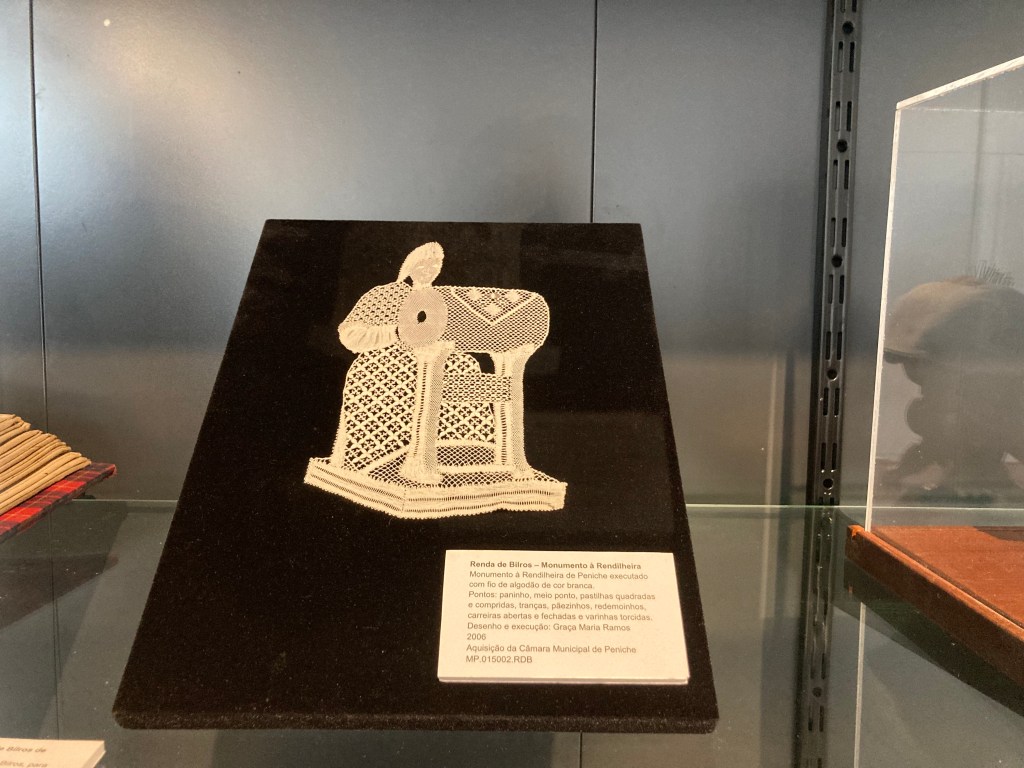
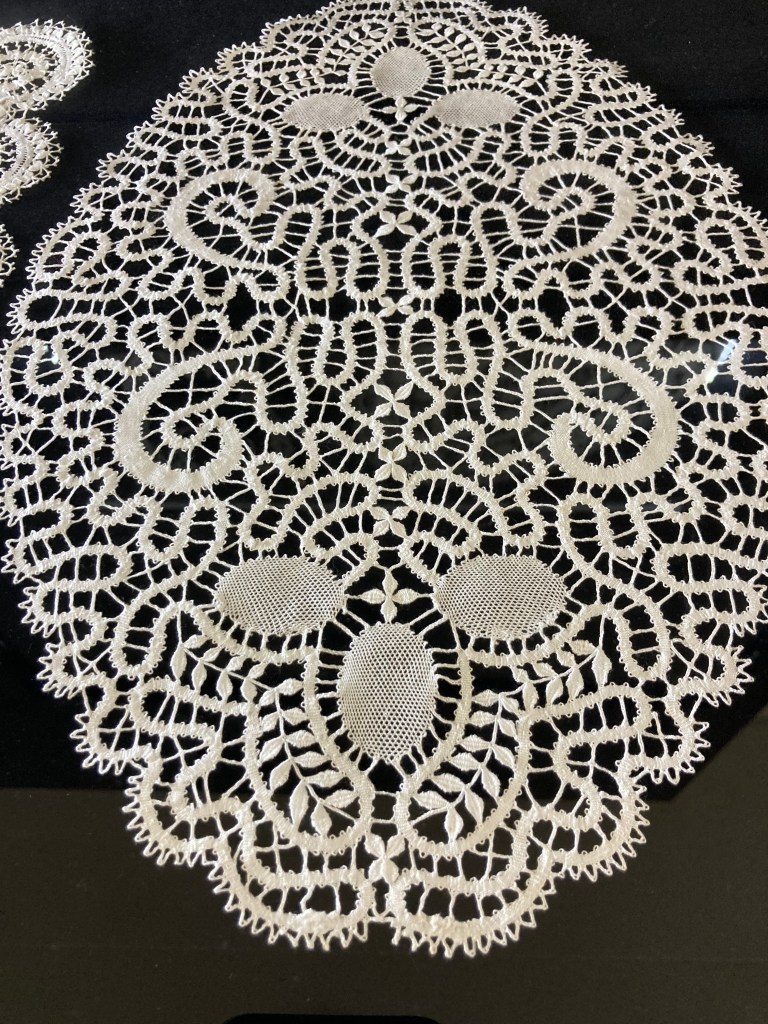
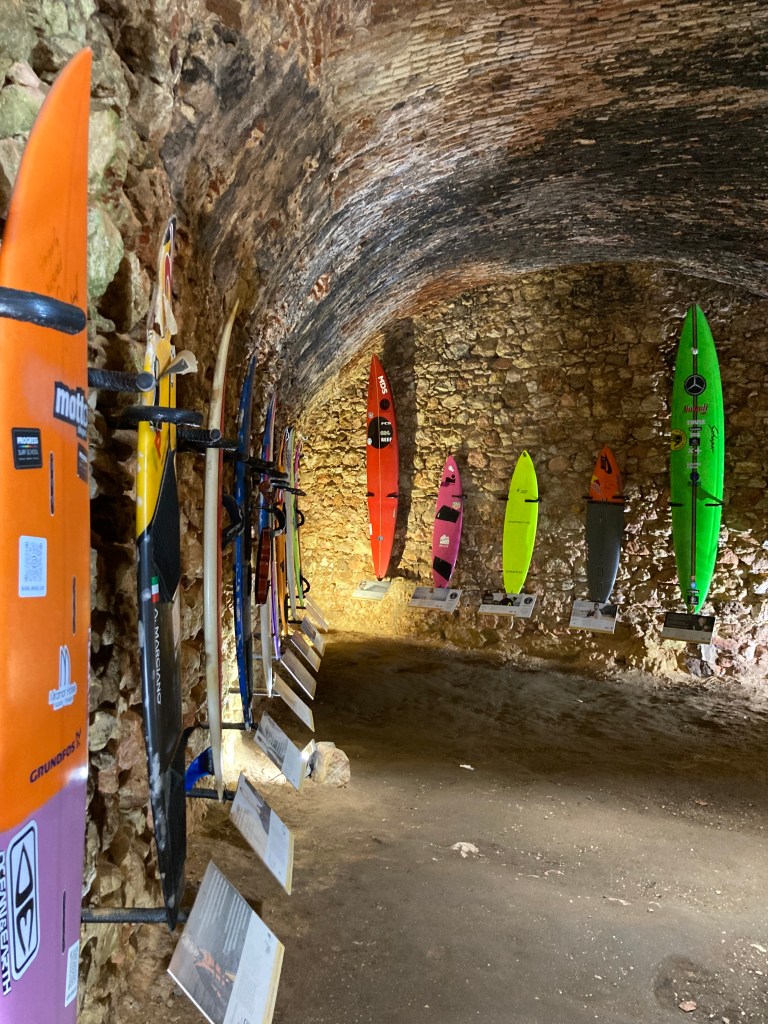
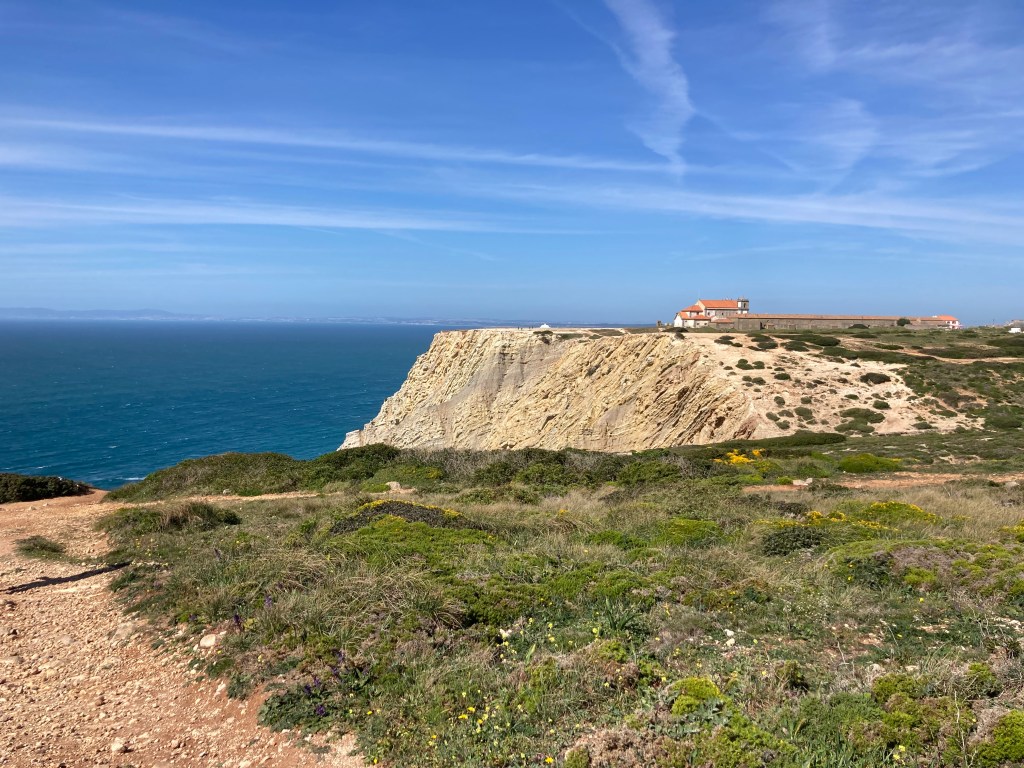
Peniche was a peninsula town between two surf beaches. Surf culture is alive and well in Portugal and competitions abound. We arrived in Peniche just after the Super Tubo competition where surfers ride inside the wave tubes. Wonderful hiking and lookouts with beautiful rock formations. The surprise highlight in Peniche was the museum of lace and the bobbin lace school. When fishing wouldnt pay, the women sold their bobbin lace to top fashion houses.





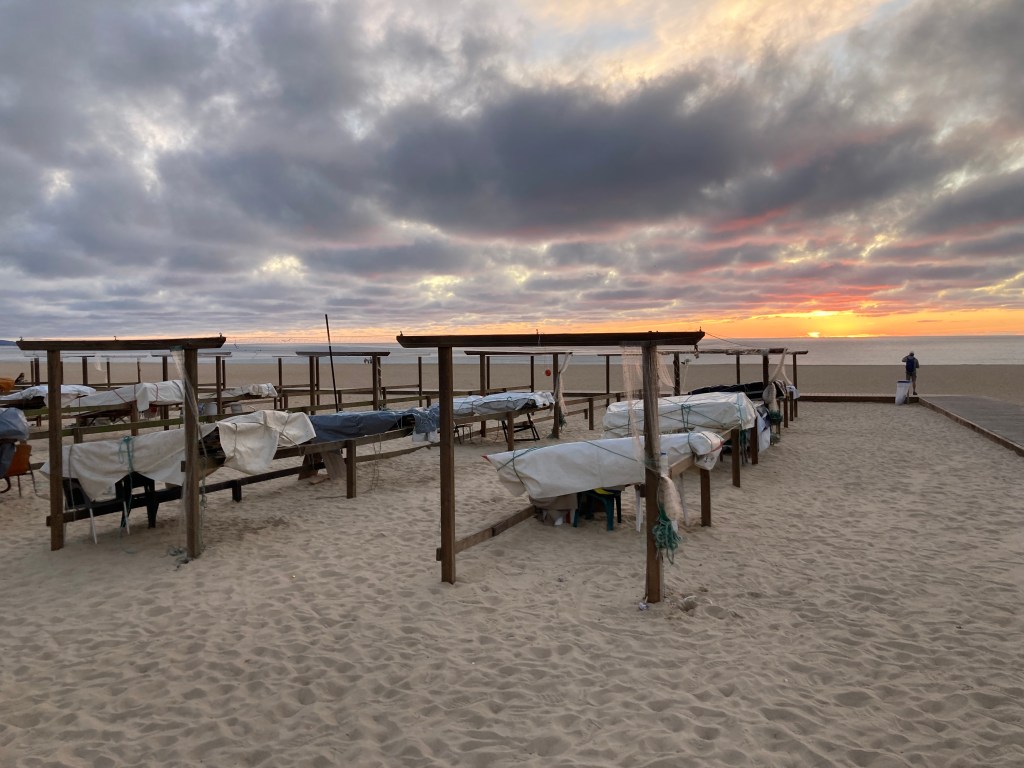
Nazaré is famouse for its enormous waves that form due to a fault in the ocean floor that creates turbulence as the waters arrive at the Praia de Norte coastline. The Guinness world record of 86 feet and was surfed in November 2022, months before we visited. While the wave were impressive, and the largest we had ever seen, they weren’t record worthy so no surfers were attacking them. The only way to surf those waves was to be launched from behind a jetski. The jetski drivers are equally skilled!! Nazaré itself is fishing-village-quaint, with women in traditional dress (skirts, knee high socks, sweaters and headscarves) and wooden boats and fish drying racks on the sand beach.


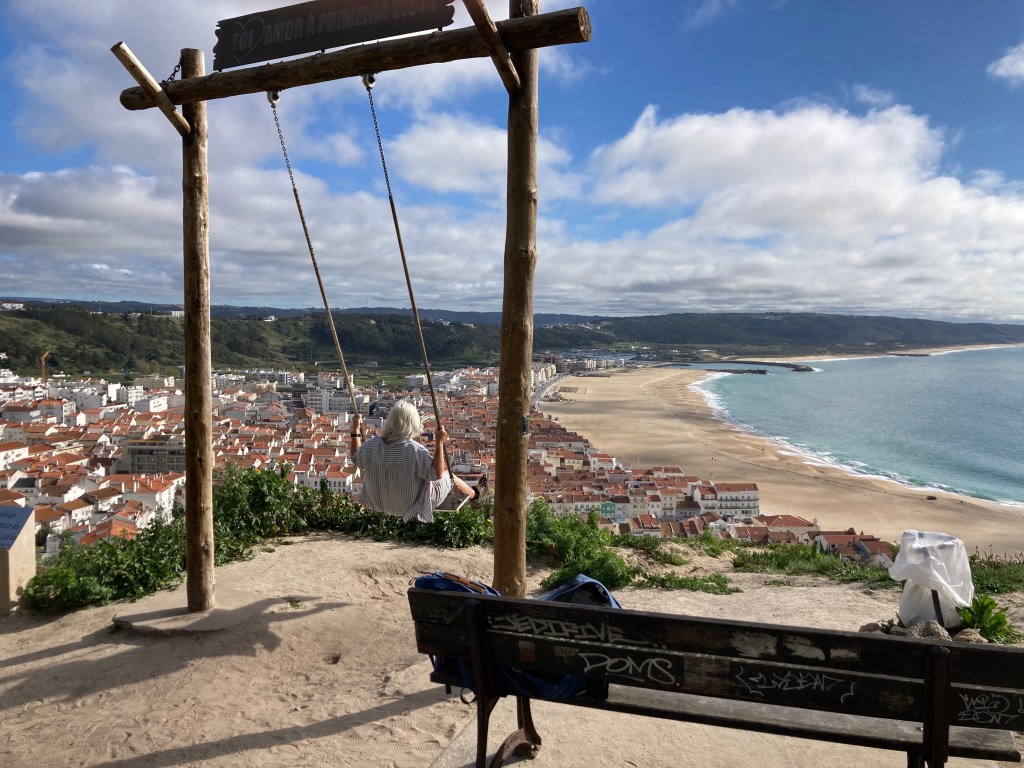


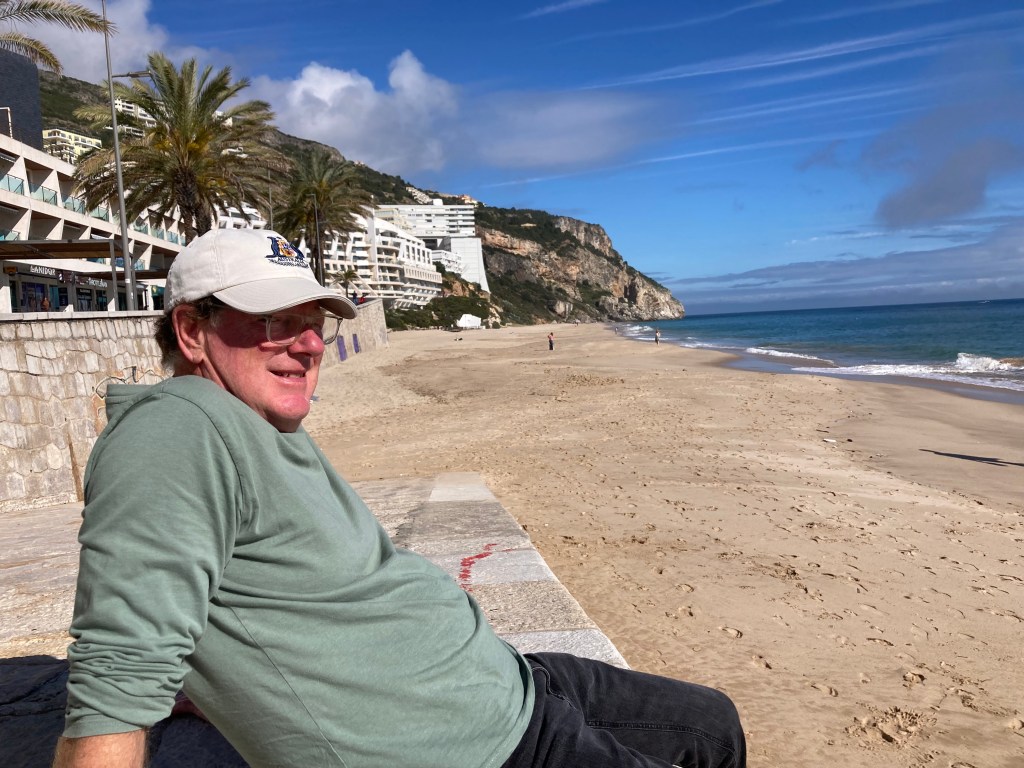
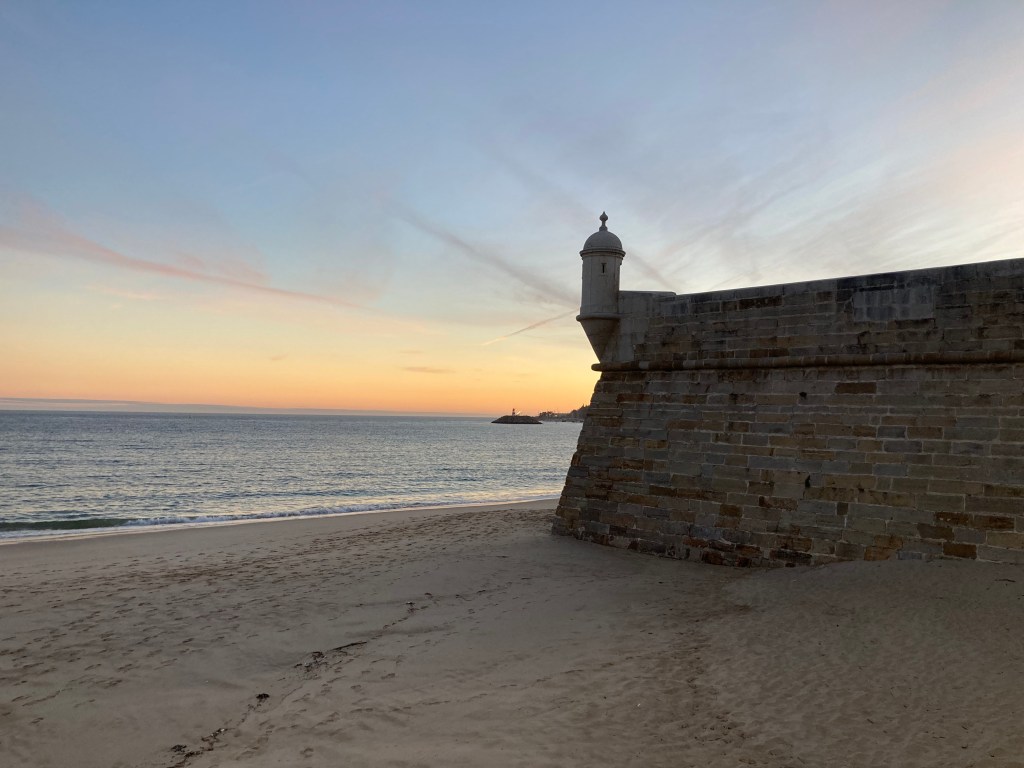
Sesimbra is a beachfront town south of Lisbon with a castle at the top of the hill, resorts at the bottom and lots of families playing at the calm waters on the sand. A far cry from the beaches of Nazaré!! We hiked along the coastline and drove to the lighthouse where the Easter processions were entering the church nearby.

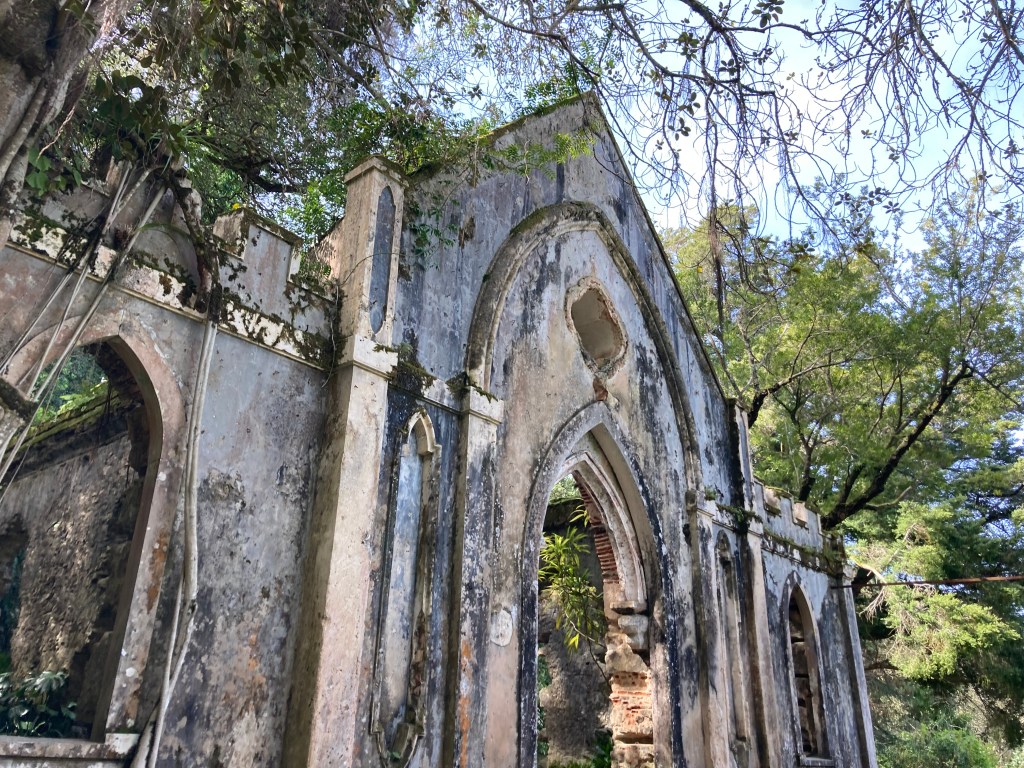
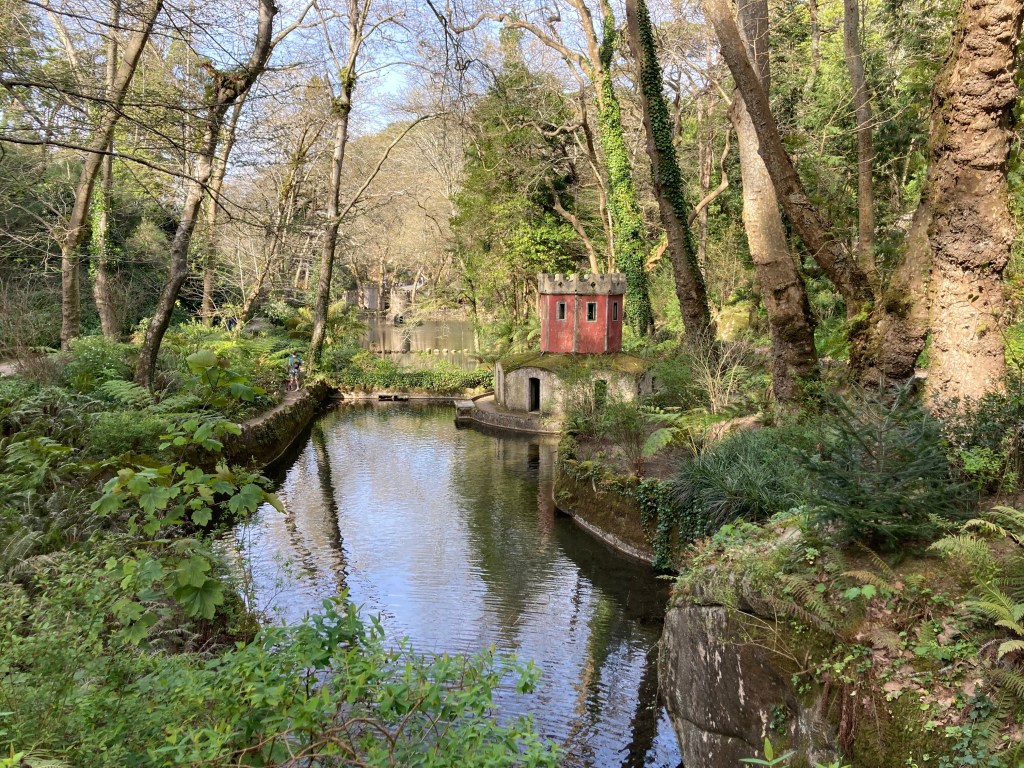
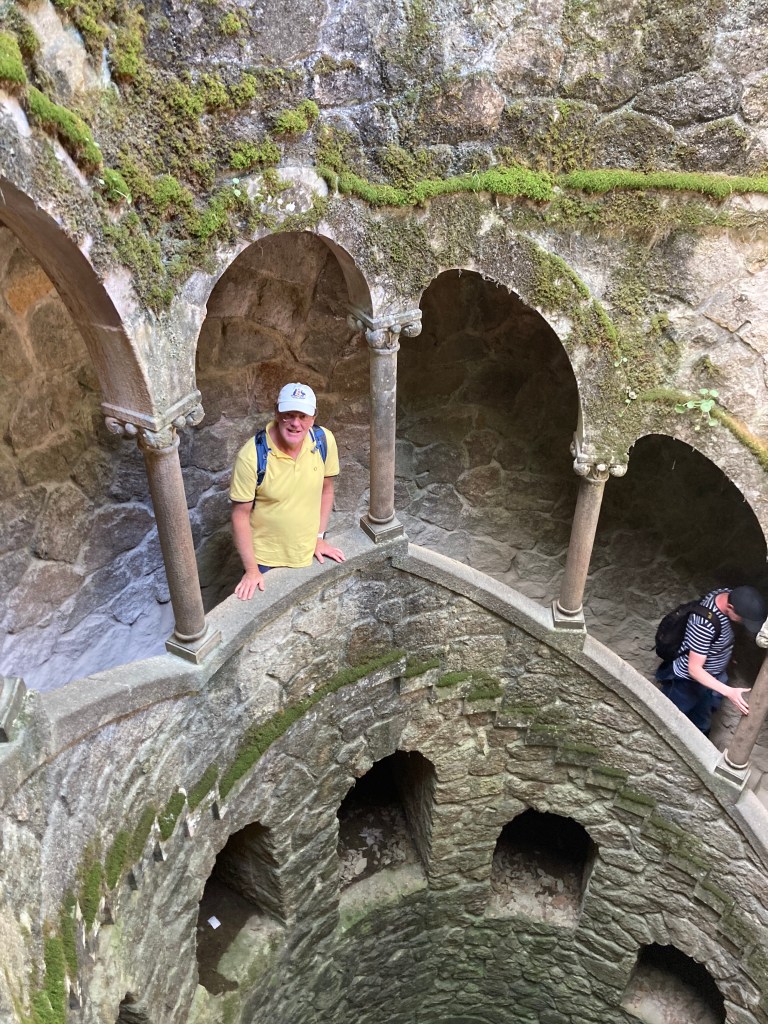
Sintra was our last tourist stop. It is a community near Lisbon in the mountains with many castles and jungle-like forests. The town has a train station with numerous hop-on-hop-off busses, tuk-tuks, taxis and tour busses. All destinations are walkable though many hikers will hire a lift up and walk back to town. The most popular castles have long lines and designated entry times reminiscent of the Uffizi in Florence or Chateau de Versailles near Paris. We visited a less busy castle, the Quinta da Regaleira,, and surrounding gardens which was equally impressive and mysterious. Sintra is touristy but also full of too much beauty to miss. Coincidentally we had a lovely glass of wine with folks knew from Victoria BC who were travelling there at the same time.





Lisbon was our last night in Portugal en route to Montréal. We arrived in Lisbon on September 29 and we left on March 31. The authorities who stamped our passports on the way out were concerned that we broke the 90 day Shengen rule but we explained our efforts to get a short term stay permit, and provided emails that coroborated our story. They suggested we don’t come back for a few years.
So we summered at the beach in Qualicum Bay and will drive to Baja in October 2023…

Stay tuned.
 The Grape Escape
Where are you two now. I was hoping to connect with you before a trip we have planned for Italy:)
LikeLike
We are on Vancouver Island. I’ll email you
LikeLike