
The last day of our Japan Rail Pass was the first day of our time in Tokyo. We packed 12 days into 5. Tokyo is vast. It is a maze of people movers, efficiency, cleanliness, orderliness and houses around 40 million people. It is more populated than the whole of Canada. We dream of train and transit systems like we found in Japan, but the truth is we just don’t have the tax base (Japan has 124 million people vs. 41 million in Canada) to power it up and a vast discrepancy in land mass to cover (378,000 sq. Km opposed to 9,985,000 sq. Km in Canada). We can still dream. In Tokyo we purchased a reloadable transit card (known as an IC card). This card is used throughout Japan and if we travel back one day we will choose it over a Japan Rail Pass as it is usable on other rail lines, subways and transit systems, as well as vending machines and convenience stores.
We arrived at our APA business hotel across the street from the Omori station. The escalator literally faced the 7/11 at our hotel door. We dumped our stuff and went for an introductory walk through the area. Walking up a small hill we saw a plaque commemorating Morse Hill. We had previously read about a shell mound that was discovered in 1877 by a travelling American scientist/anthropologist, we then proceeded to forget all about it. Until our walk. Scientist Edward Morse recognized the shape of a hill as an original midden filled with shells and tools. Our encounters with conservation efforts by Canadian First Nation peoples to preserve midden discoveries from (at least) the last 10,000 years in Canada and many in the unceded territories around Vancouver Island highlighted the importance of the Omori Shell Mounds for us but to find this location in Tokyo gave us some added interest. Further scientific investigation, by Morse and others, showed the middens dated back to the Jomon people around 4000 to 2500 BC. This discovery kicked off an era of modern archaeology in Japan. And here we were having a look. It is now a park filled with children, archaeological displays, and picnic tables. The fast trains whiz by. Normal.

In our tiny but well equipped hotel room we turned on the TV and learned how to wear a Yukata or summer kimono and figured out what to do while in Tokyo. Our spontaneous planning skills are a thing.

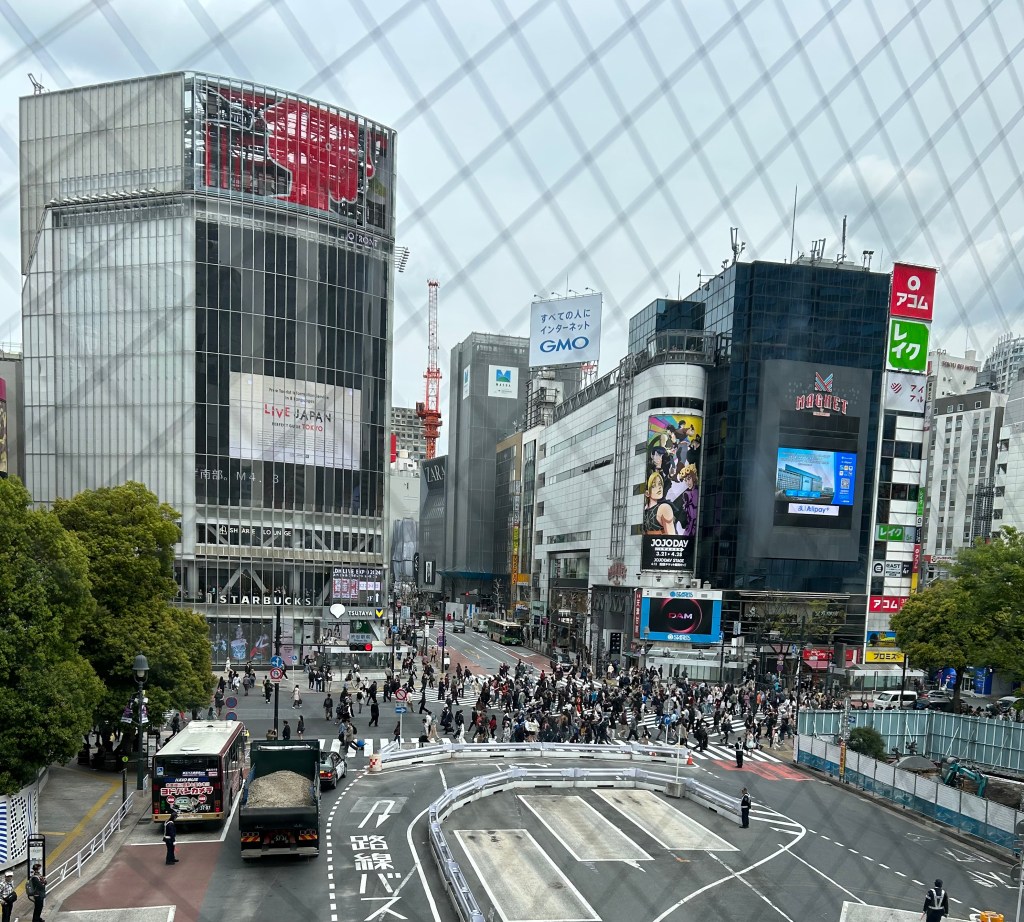
Next morning we were off to Shibuya Scramble Crossing, to scramble and experience the famous intersection with as many as 3000 similar crossers. Check. It was full of people, but didn’t feel busy or scrambly. Maybe we were just getting used to hordes of people…
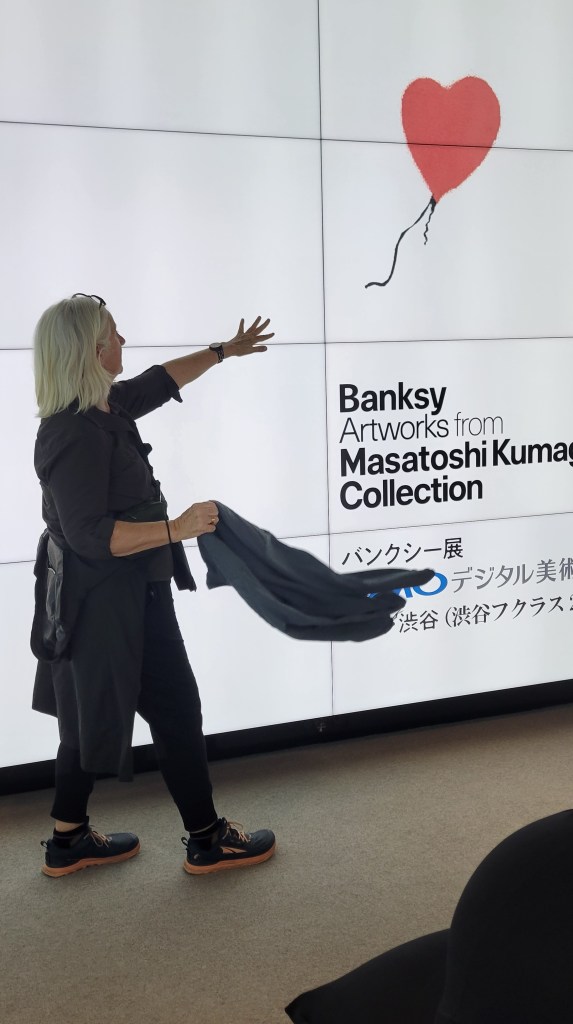
Heading up an escalator we found an interactive Banksy show and played there for a bit. We got to take home a heart shaped balloon.

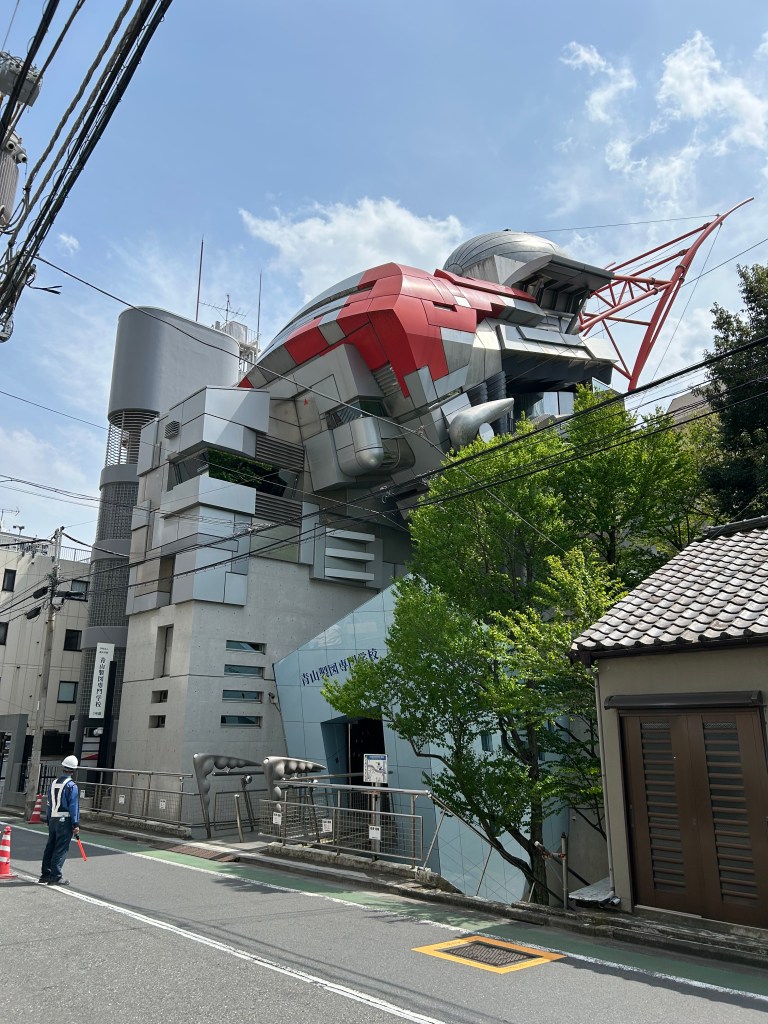
An app that we enjoy in many of our stops is called Atlas Obscura. In Tokyo it led us to this transformer styled building that housed an architecture school. We waited hopefully for 10 minutes for it to transform into something but the construction worker that was flagging cars and people for a worksite nearby gave us worried looks, so we moved on. We are reasonably sure it remains a building and doesn’t surreptitiously become at boat or a plane. LOL!
Stopping for a beer we were given this tasty treat. Cabbage with a fresh miso, seaweed sauce. Salty, umami, crunchy.

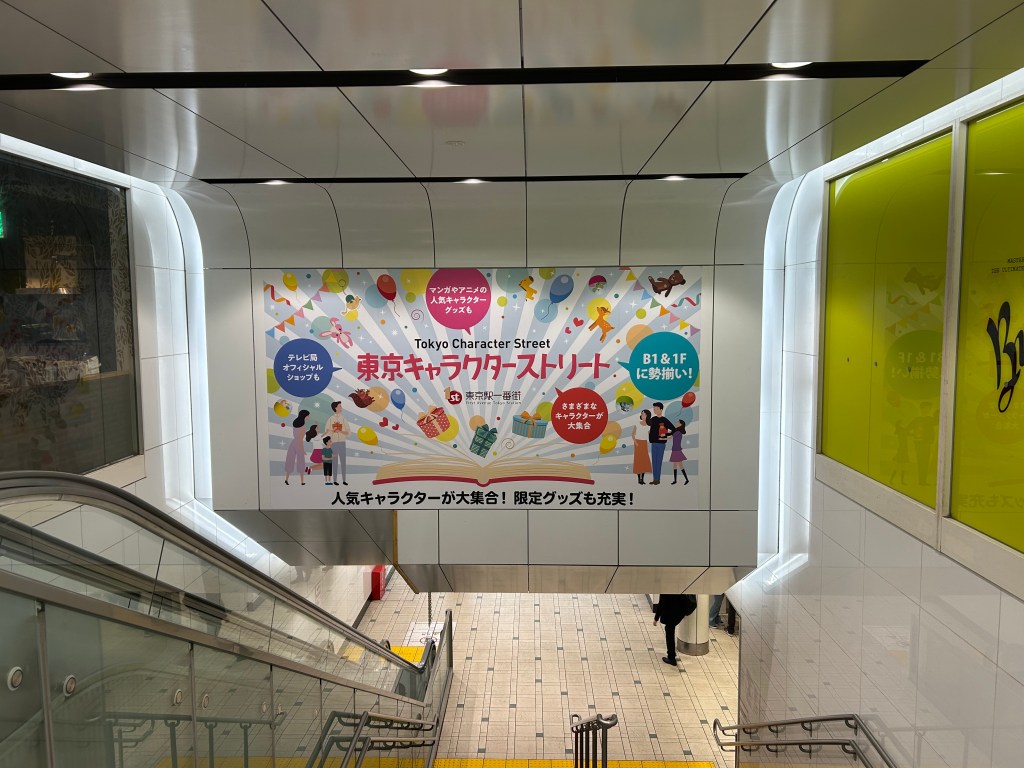
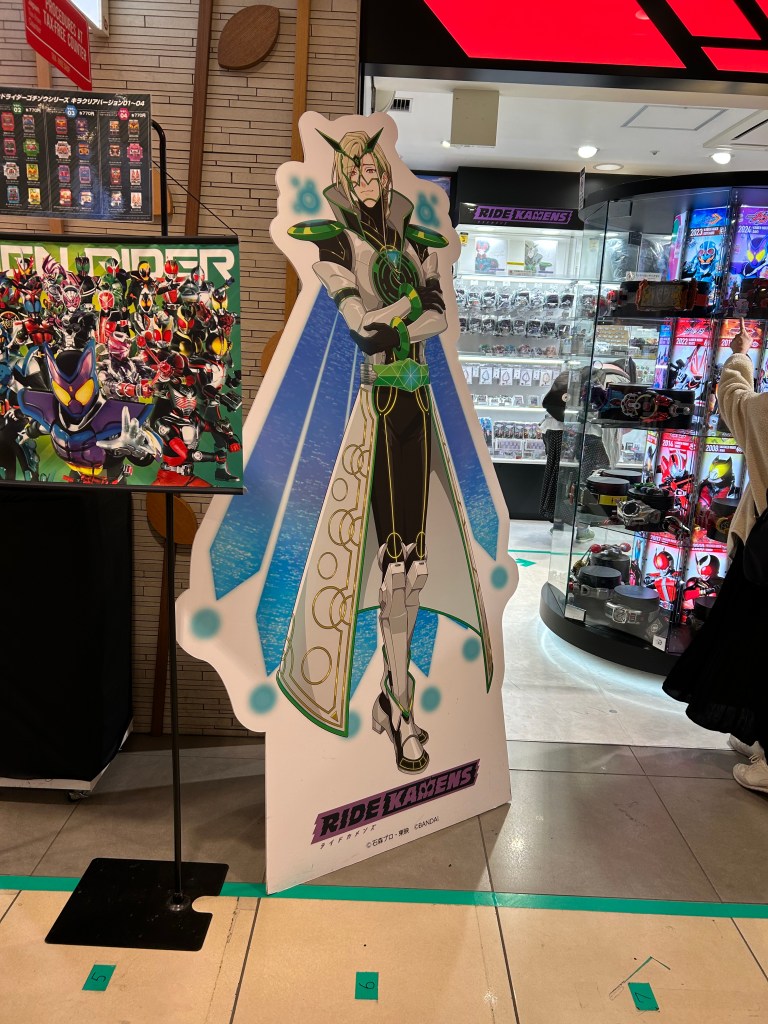
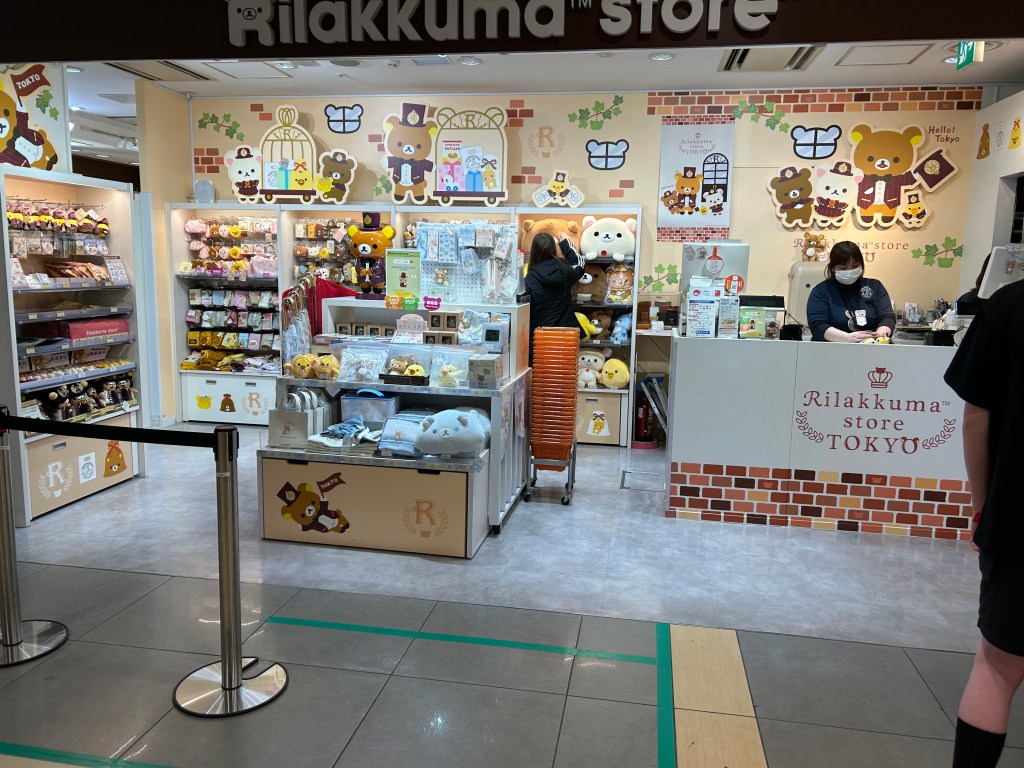
Tokyo station had a whole wing of anime character stores. We found this in many of the stations.

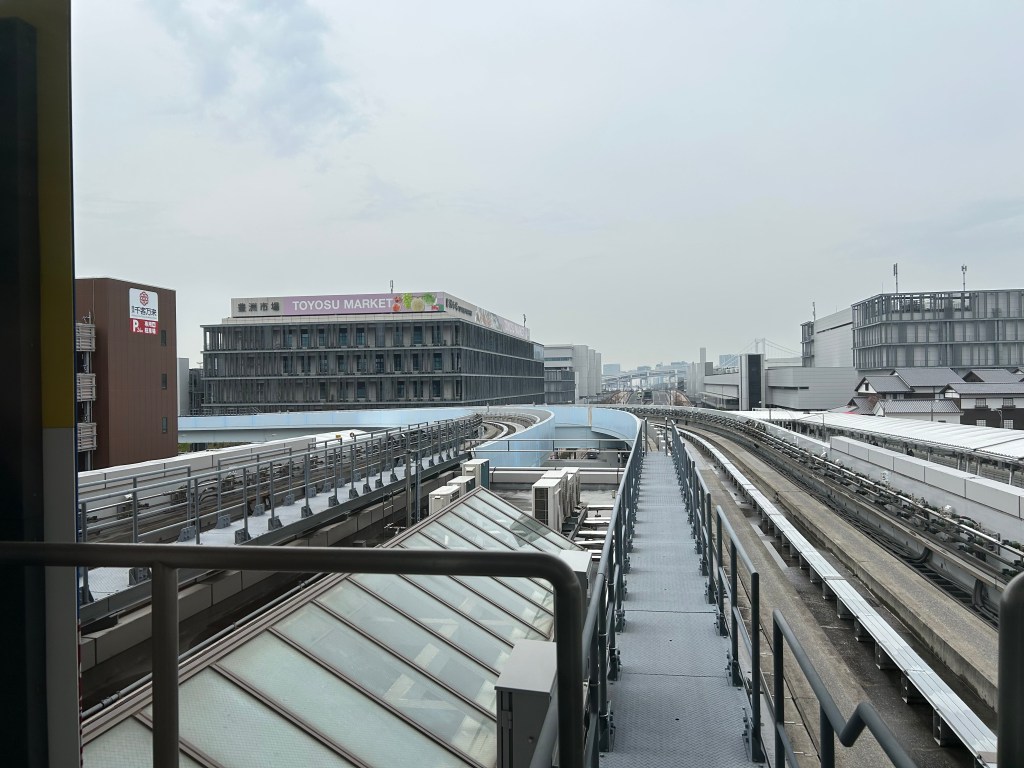
We couldn’t go to Tokyo and miss the famous fish market and tuna auction site. Auction viewing is booked through a lottery process 1-2 months in advance and we didn’t know our itinerary, so we skipped the process. But we did go to see it and our DNA is somewhere on the window frames. The old Tsukiji market, in its original location, was replaced by Toyosu Fish market in 2018. Built on a manmade island in Tokyo harbour the trip to it was equally interesting! Transit via bus or train whisks visitors in and out with a dedicated train station and transit stops. We took one of the famous monorail trains, it was a very quiet with rubber wheels, providing a great view looking out over Tokyo harbour.
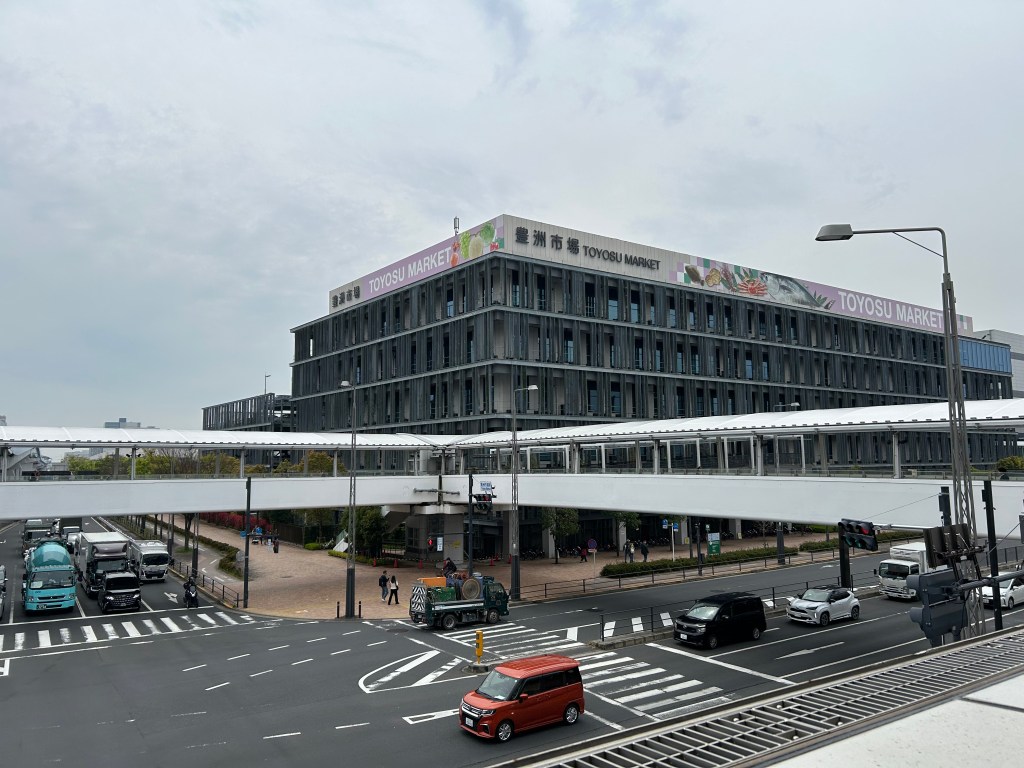

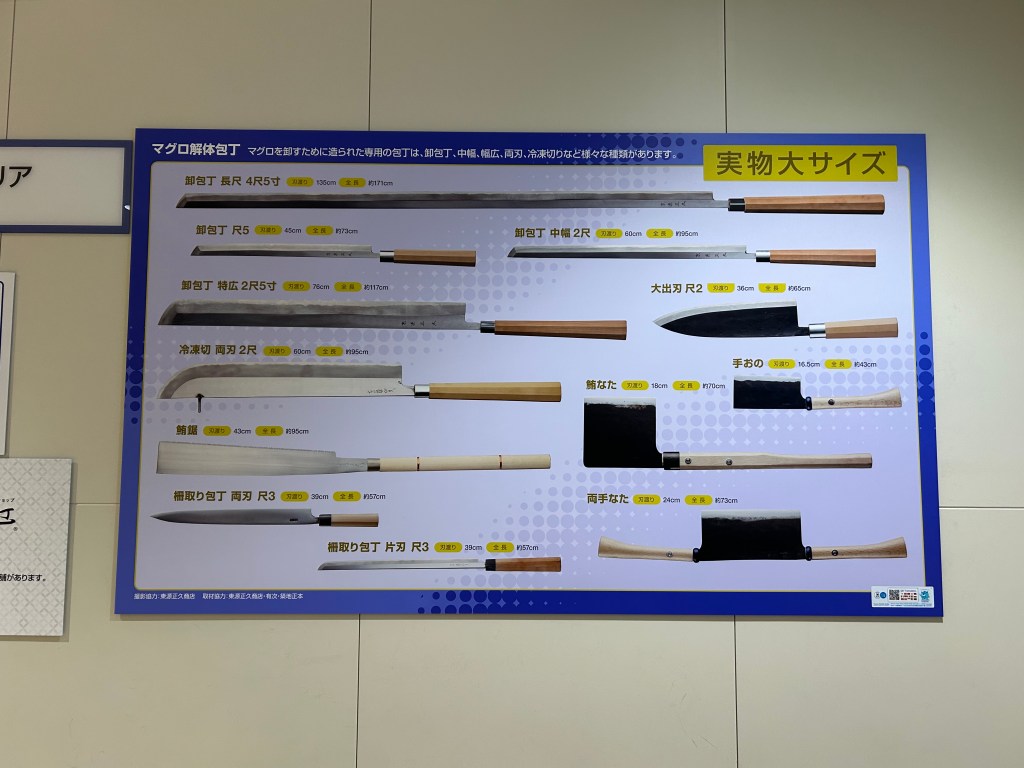

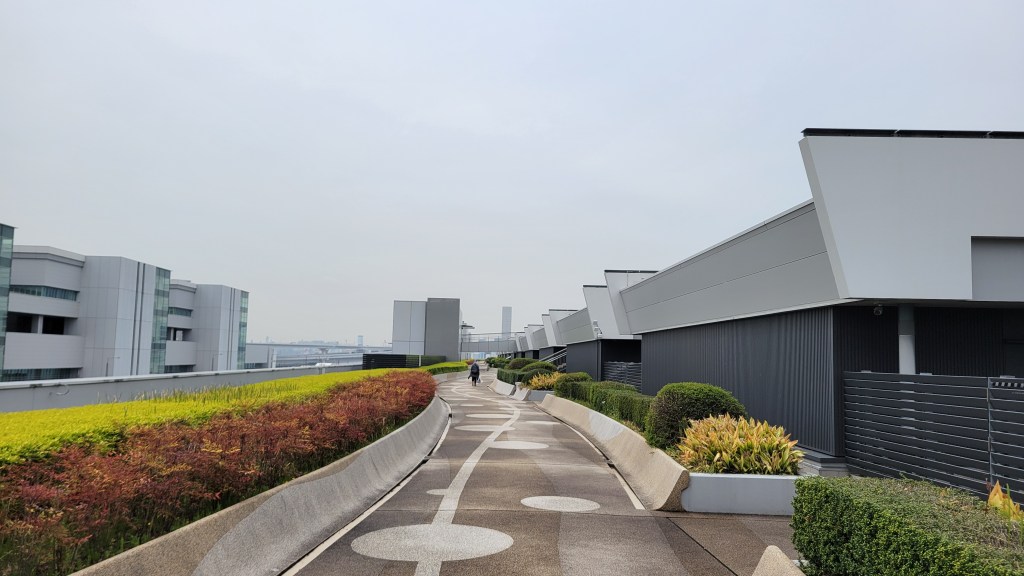
Toyosu market encompasses what seems like 3 city blocks of 3 multi-story buildings with two for tuna and seafood auctions and sales, and one for fruits and vegetables. It covers 4,391,675 sq. / ft. and is twice the size of the original Tsujiki fish market. Approximately 1500 tons of seafood is sold each day. Dollar value for annual sales is hard to find but one figure we sourced pegged the figure at around $16.4B CAD. Access to the various retail and wholesale outlets can be found via massive pedestrian only causeways above street level that link patrons to the market services, restaurants, hotel, baths (yes, baths) and rooftop gardens. We walked through the buildings, bought some stickers, went up on the roof and took pictures of a portion of Tokyo skyline.
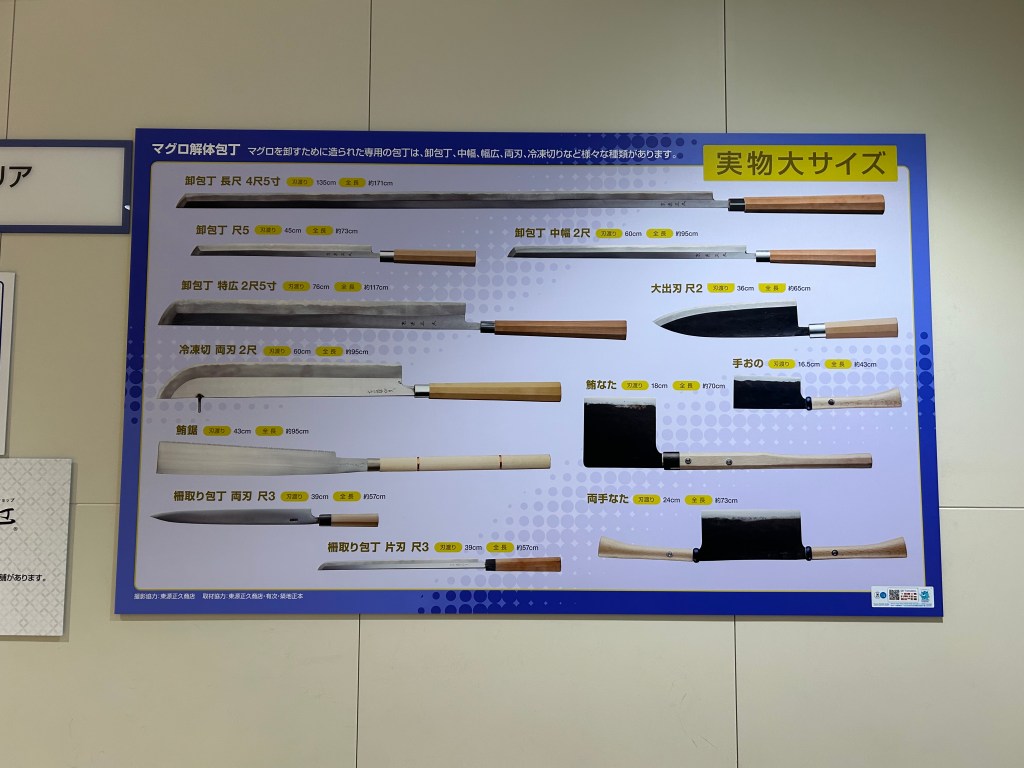
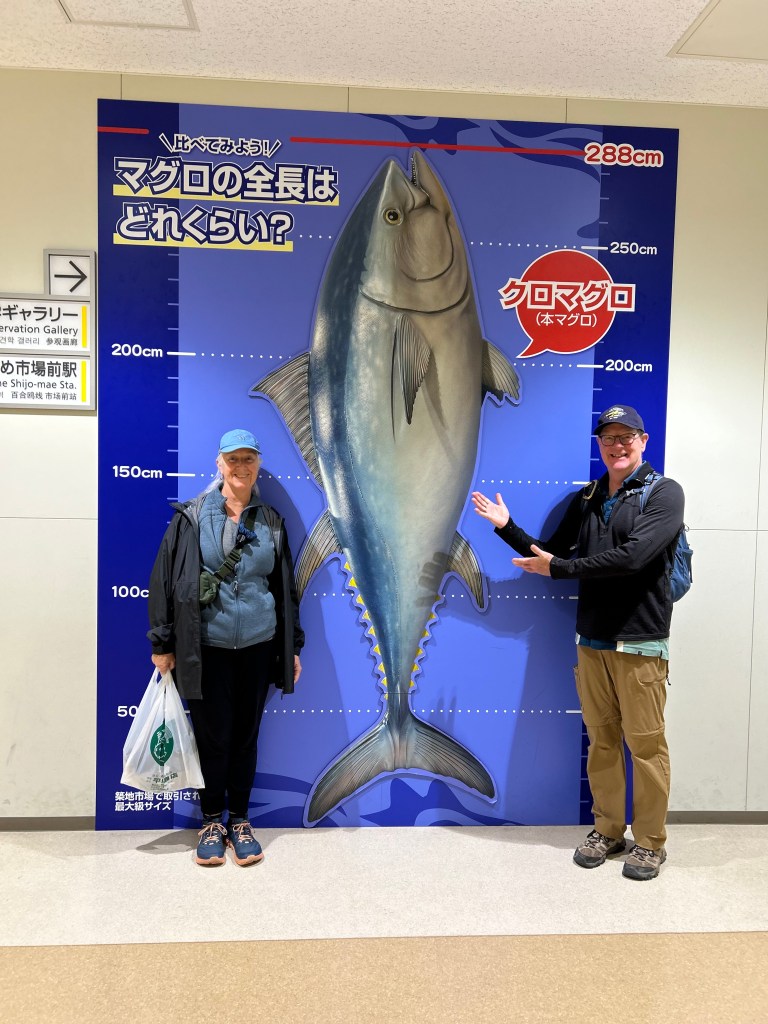


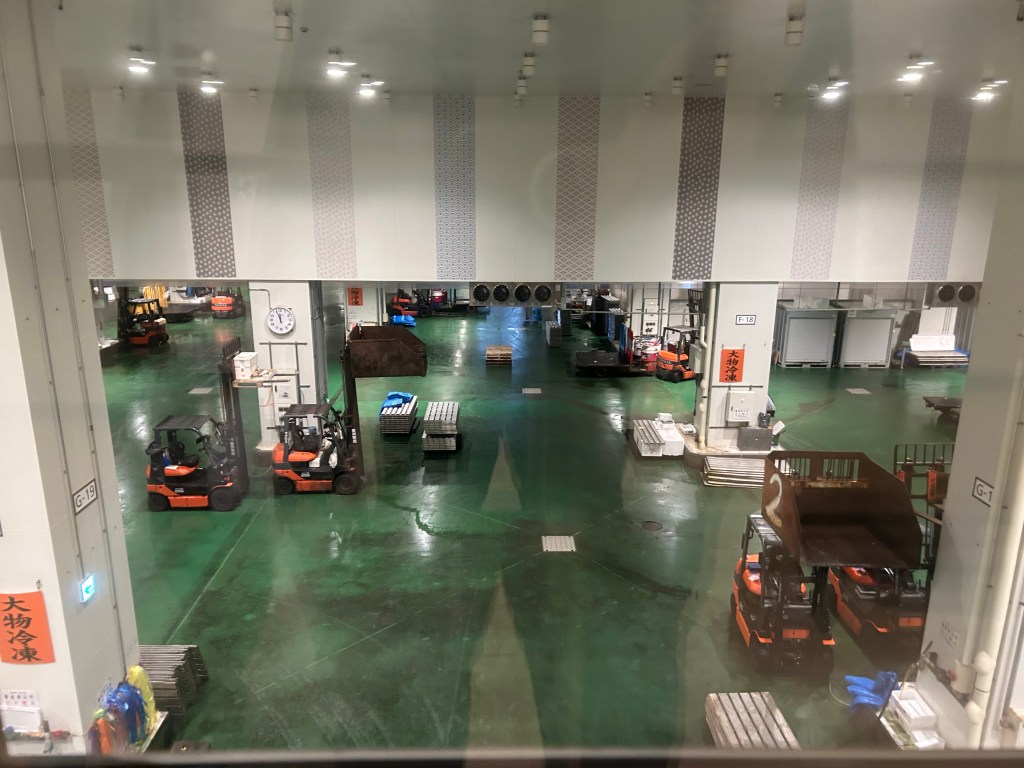
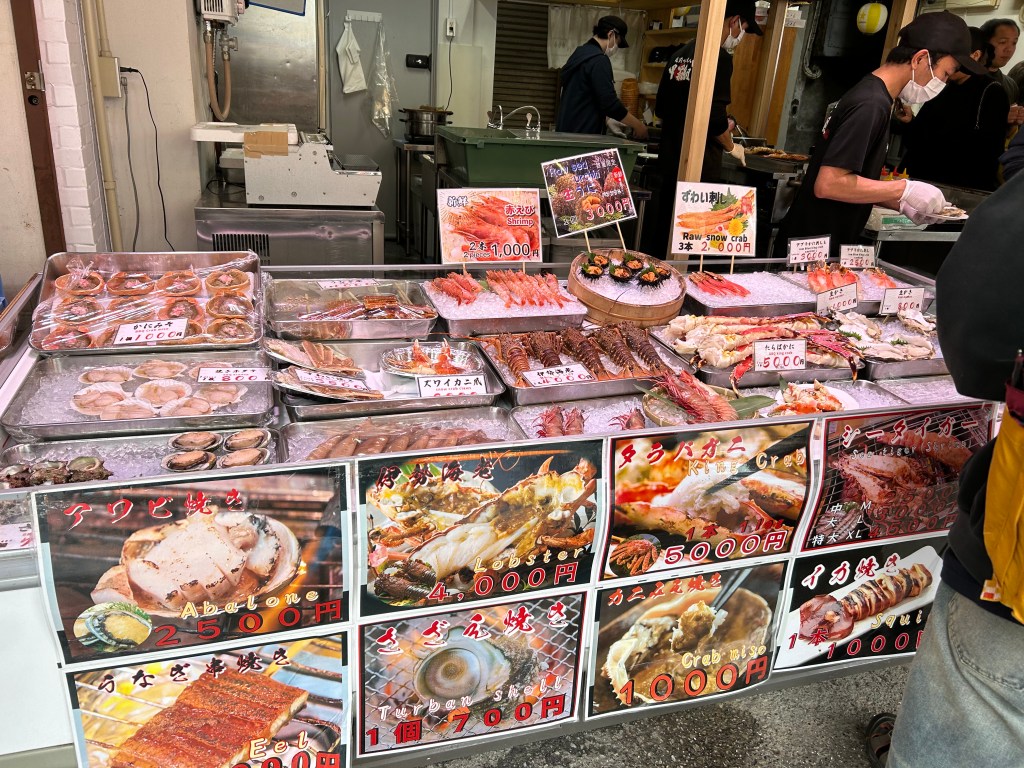
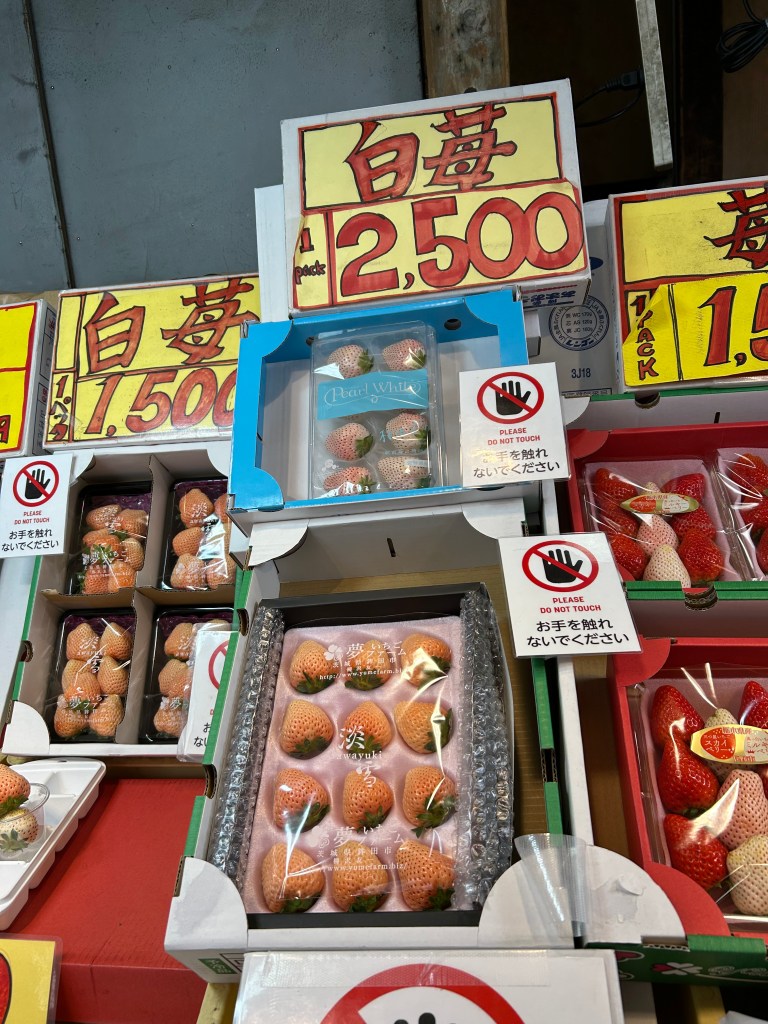
Then we decided to walk the 3.5 k to Tsujiki market along the roads. “Tsukiji outer market” is just that. The original Tsujiki fish market opened in 1935, It’s inner market is a parking lot and the outer market is a series of restaurants, people, knife stores, people, fish stores, people, sushi and sashimi takeout, people and lineups at the “influencer” locations. We chose and lined up for some Tamagoyaki (rolled omelet). Yum!





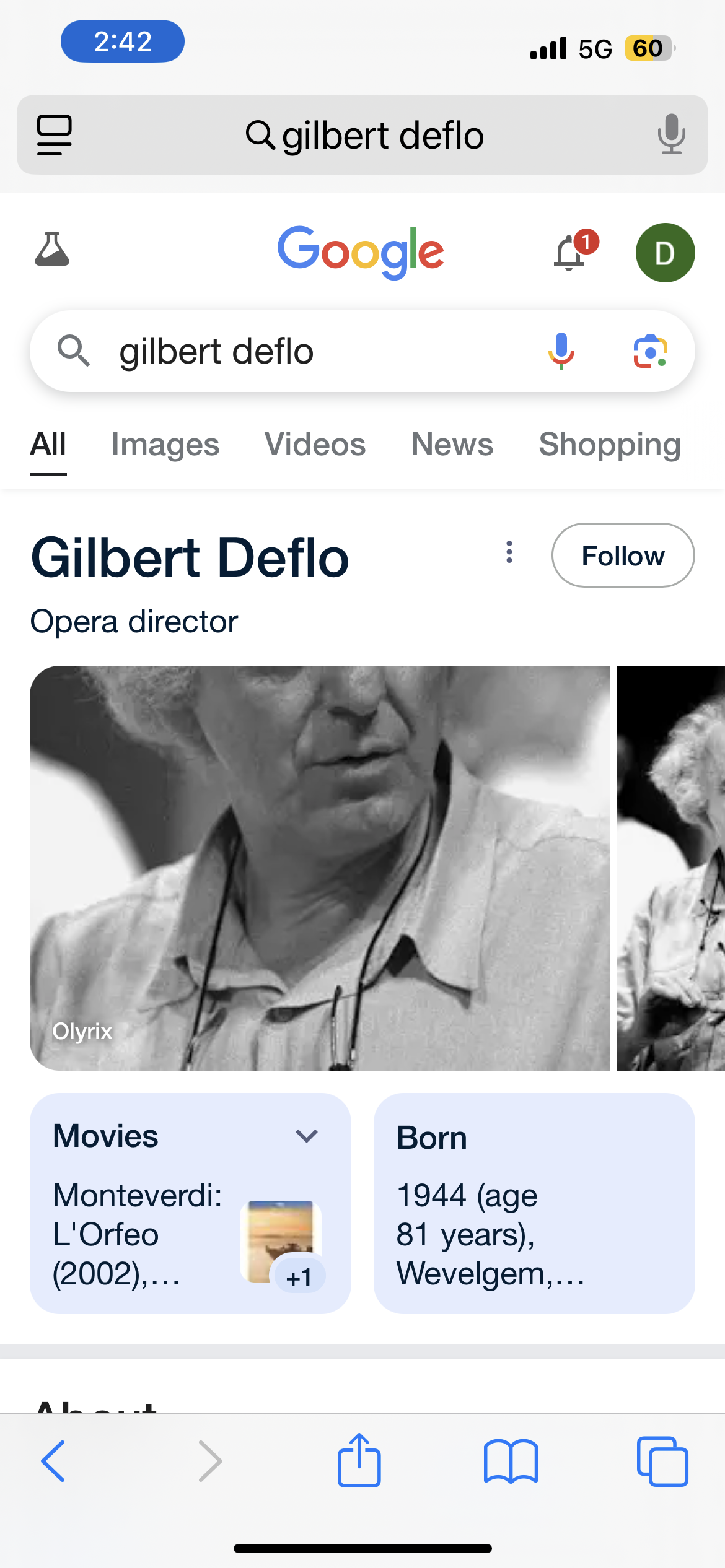
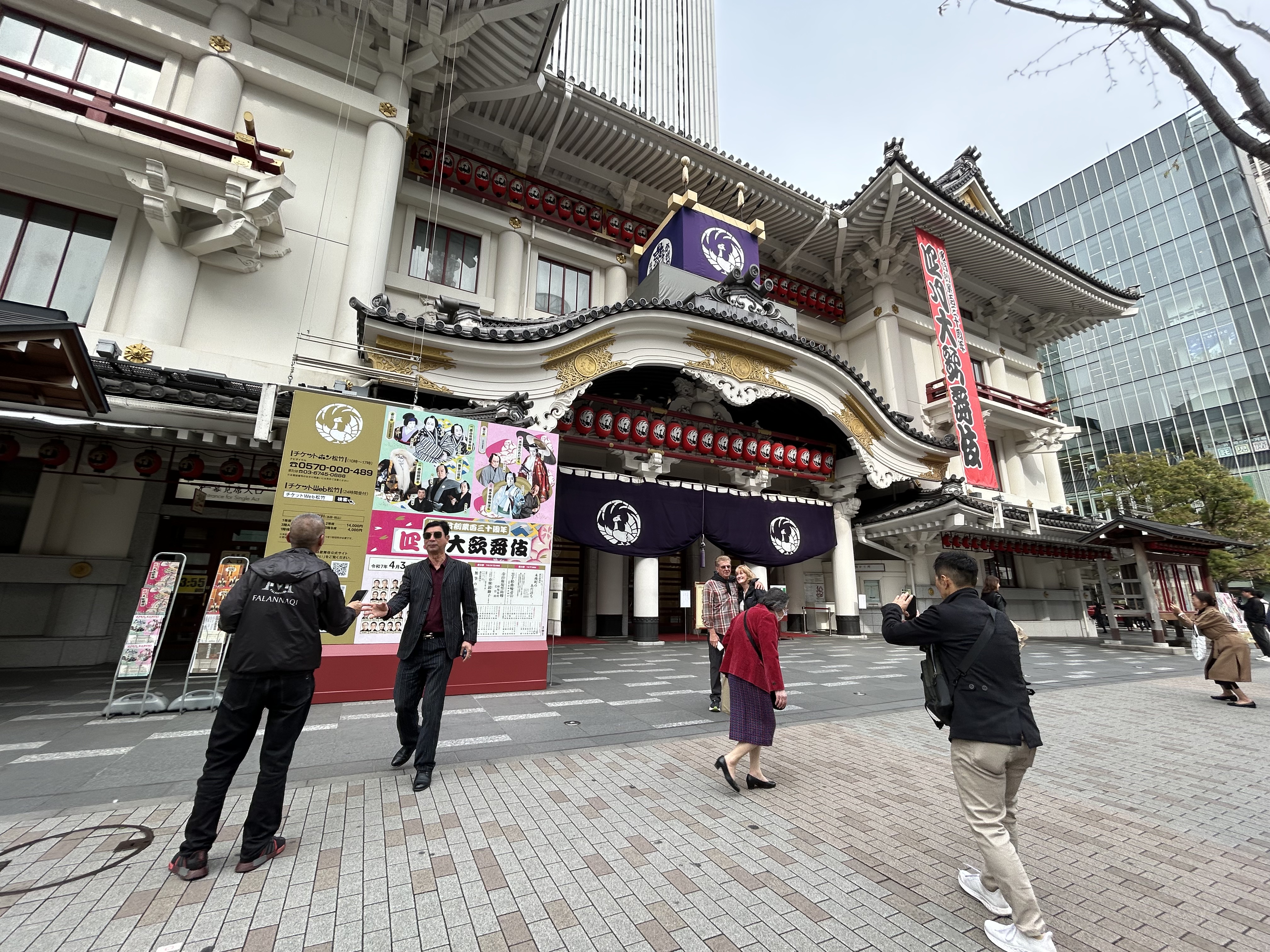
Continuing our unplanned stroll through uncharted areas of Tokyo, we happened upon the Kabukiza Kabuki Theatre in the area known as Ginza. This theatre was built in 1889 and, due to fires and wars, has had many reconstructions and renovations over the intervening years. While pretending to decipher the happenings at the theatre and checking our phones to see if there were tickets available (no surprise that there weren’t) we met a friendly European gentleman with a slight accent (Dutch? German?) who kindly began speaking with us having over heard our enthusiastic interest in the place. He was flamboyant, effervescent, a theatre man, and knew all the best world theatres because he had directed operas in them!! He gave advice to the Three Tenors. It was one of life’s moments when you know you have stumbled into the presence of great talent or perhaps a great act. But he was the real deal. Gilbert Deflo, google him! We managed 20 minutes of magical conversation, and he was gone in a flash.

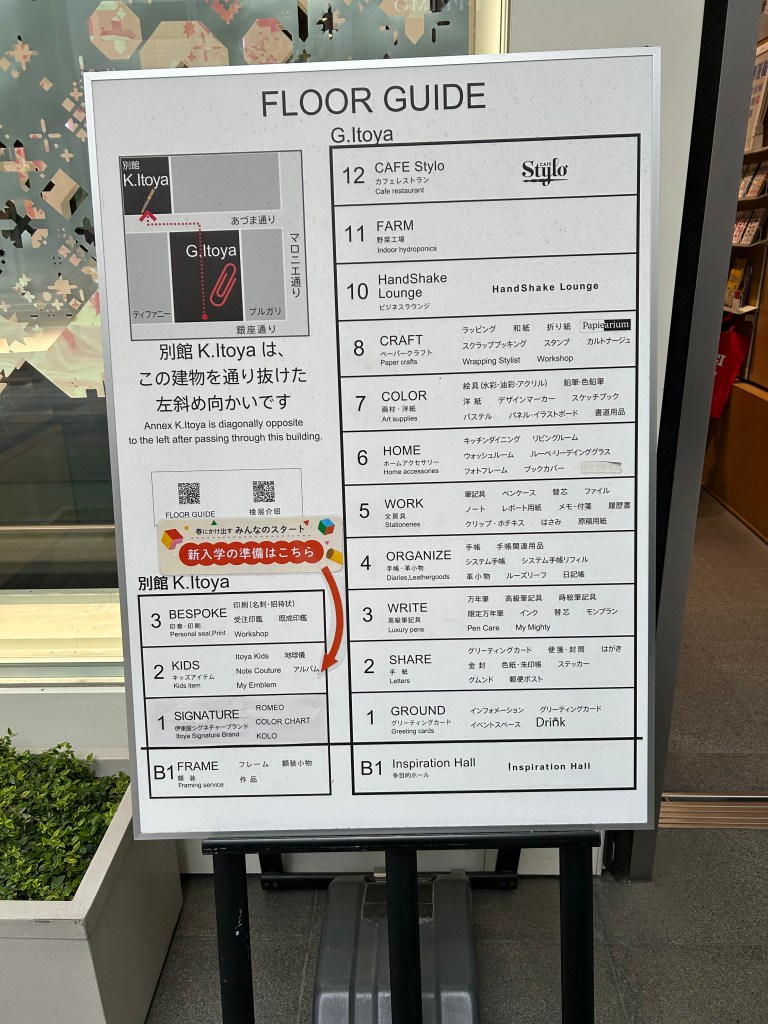
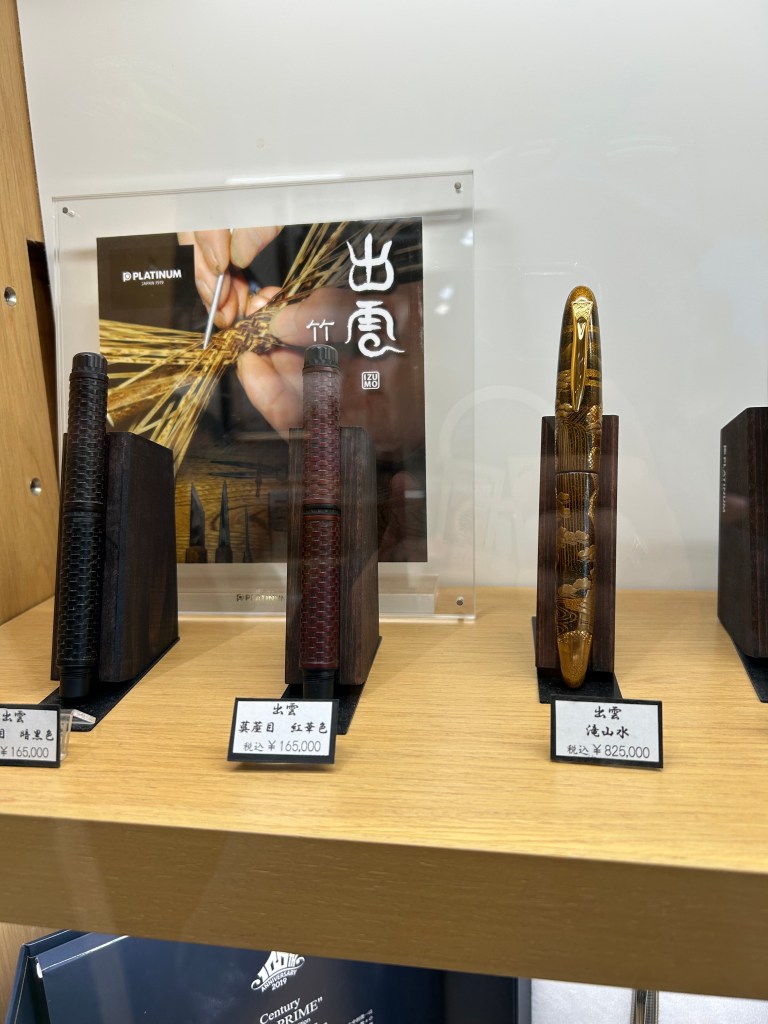
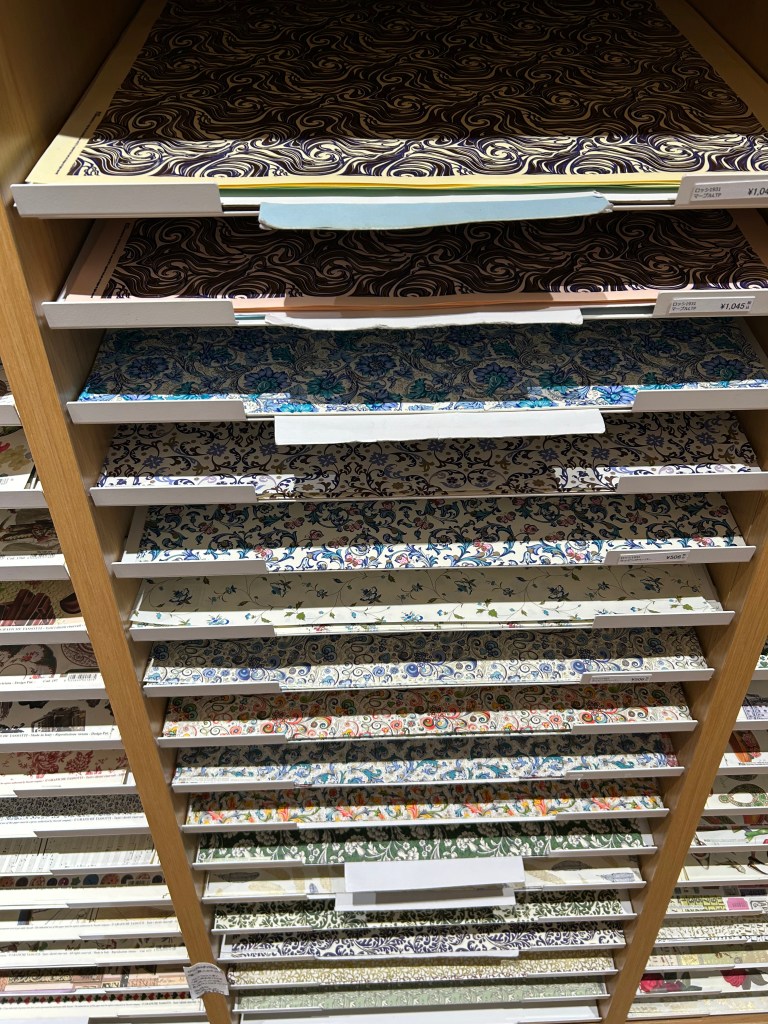
Ginza is well known as Tokyo’s luxurious upmarket shopping and entertainment district. We were on our way to Itoya, the 12-story building dedicated to stationary. It was enlightening and fortunately didn’t lighten our wallets too much. Like the pen listed at 825,000JPY among other items.


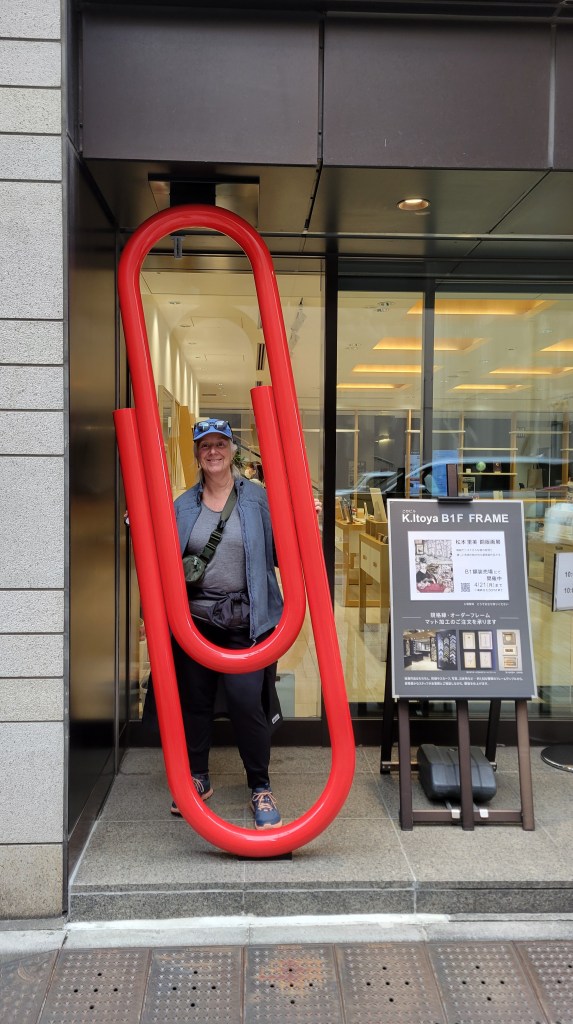
We headed back to the hotel and grabbed a lovely 7/11 store brand Chilean Cab Sauvignon and had a little happy hour before heading out to eat. Not disappointing! But my feet were done!!

In 1993, I (Deb) began my teaching career at Malaspina University-College as the first woman chef there to educate up and coming food professionals. In my first class was an international student from Japan, Ikemi, and we are still connected. She returned to Japan recently after 30+ years in Canada and teaches English in her hometown outside of Tokyo. We arranged to meet up at Ueno Park in central Tokyo, one more stop after Tokyo station, and had a great visit.
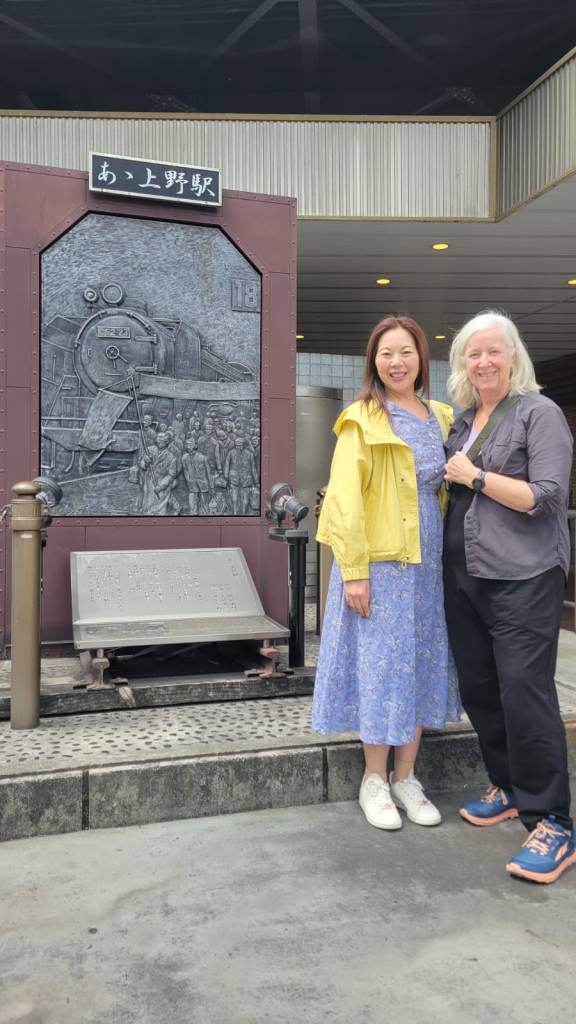

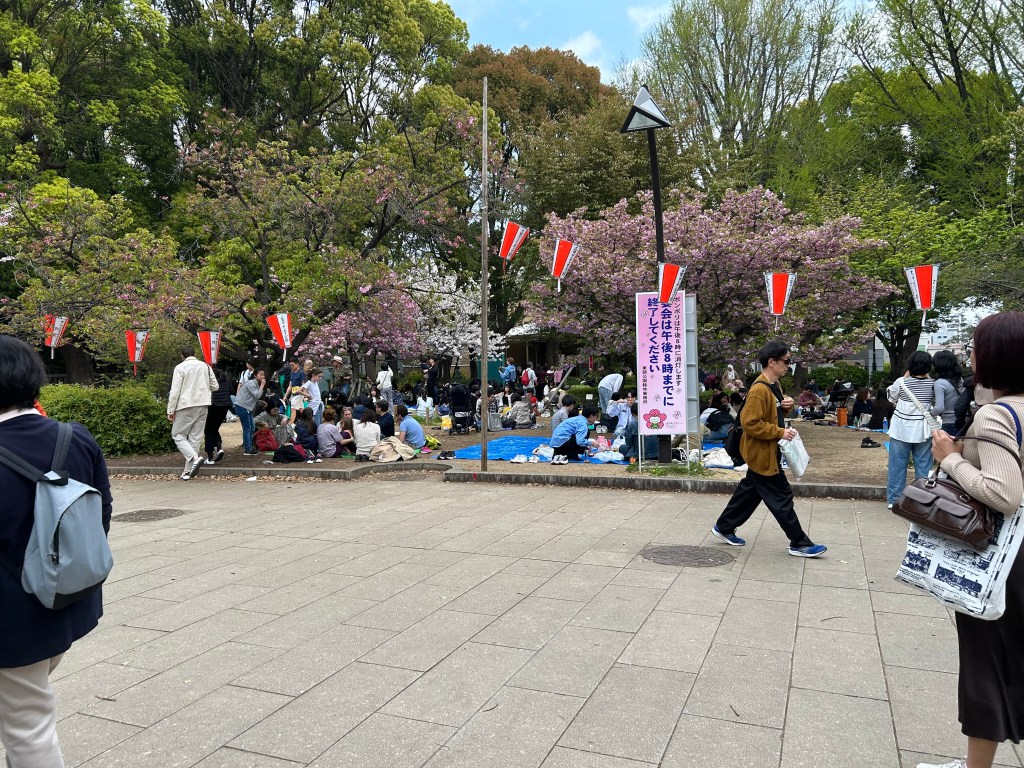
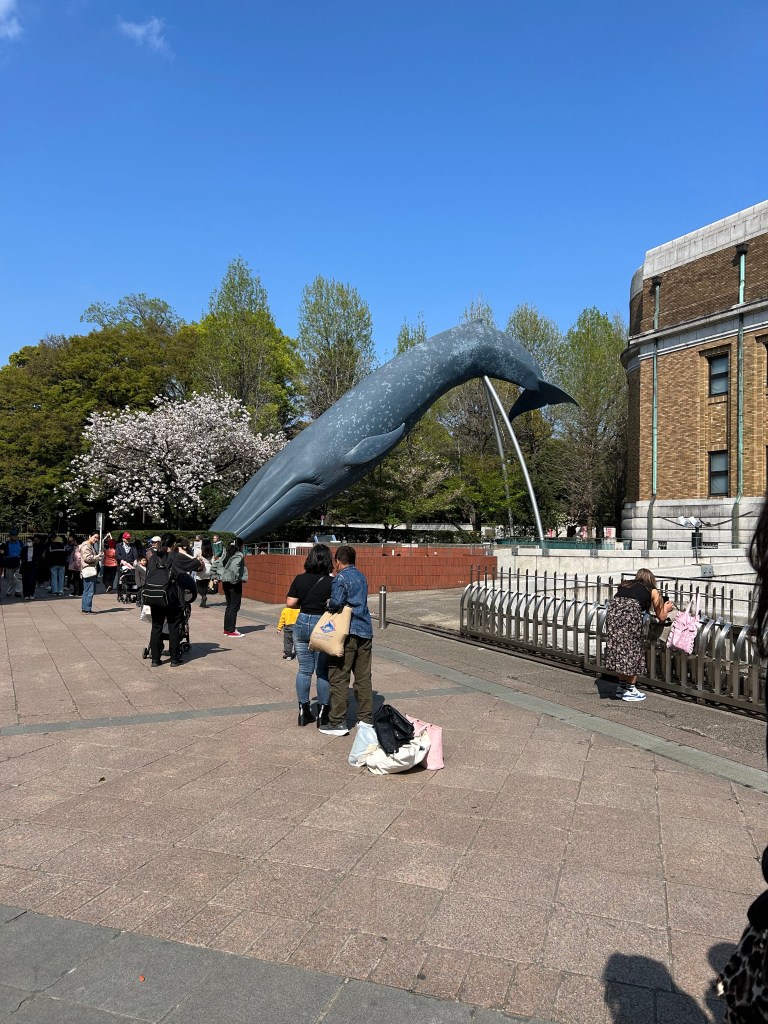
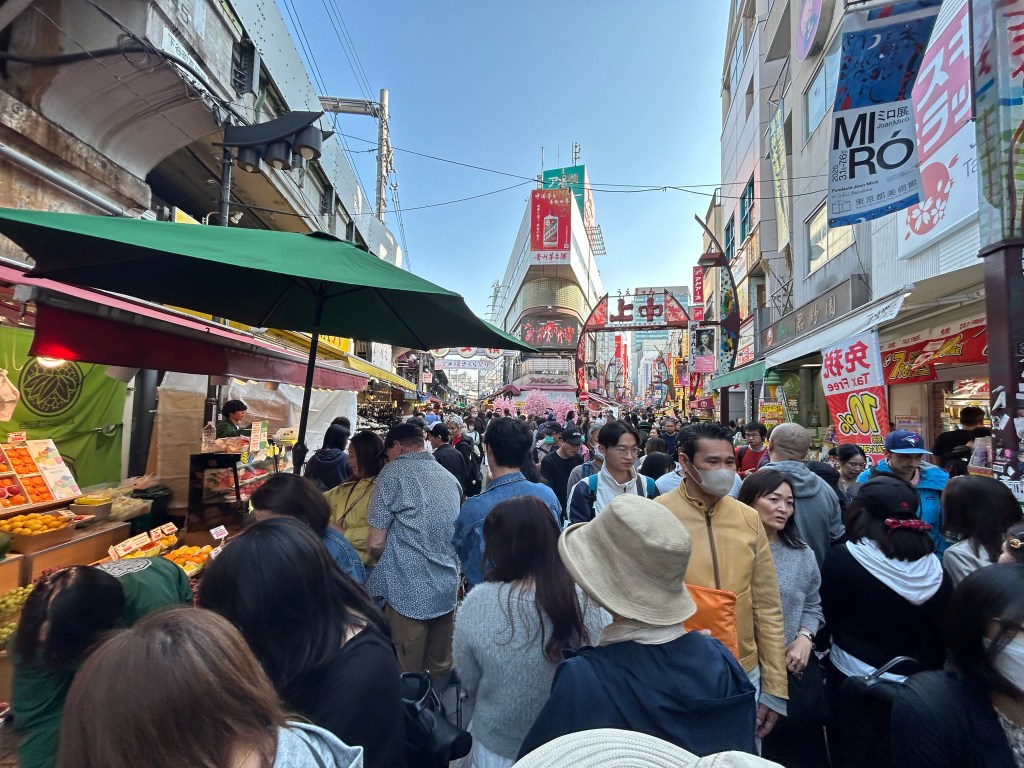
The park was in blossom, had a lovely walking route, the Tokyo National Museum and Metropolitan Art Museum, the temple cemetery with famous Shoguns, and restaurants and people picnicking. We vowed to return one day to visit these museums. Close by is a series of popular streets featuring Japanese street food and shopping. “Ame Yayokocho” was the candy store street and following WW2 the site of a black market selling American items. Now it is a busy and populated shopping area with stores filled with numerous varieties of delicious mochi.
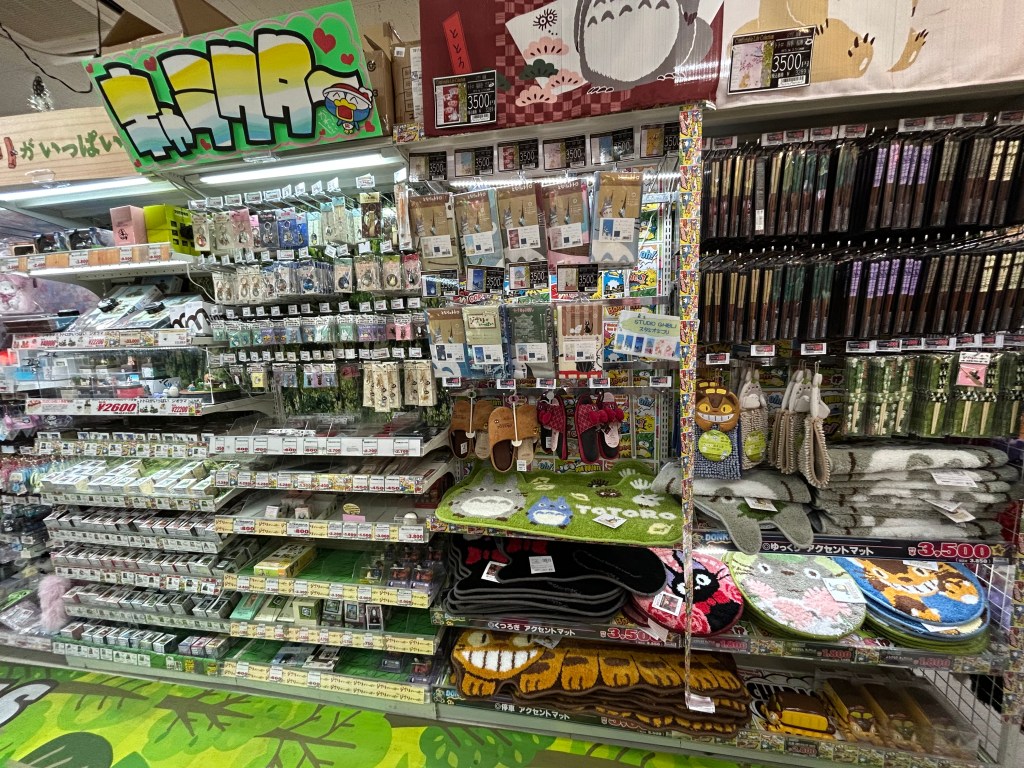
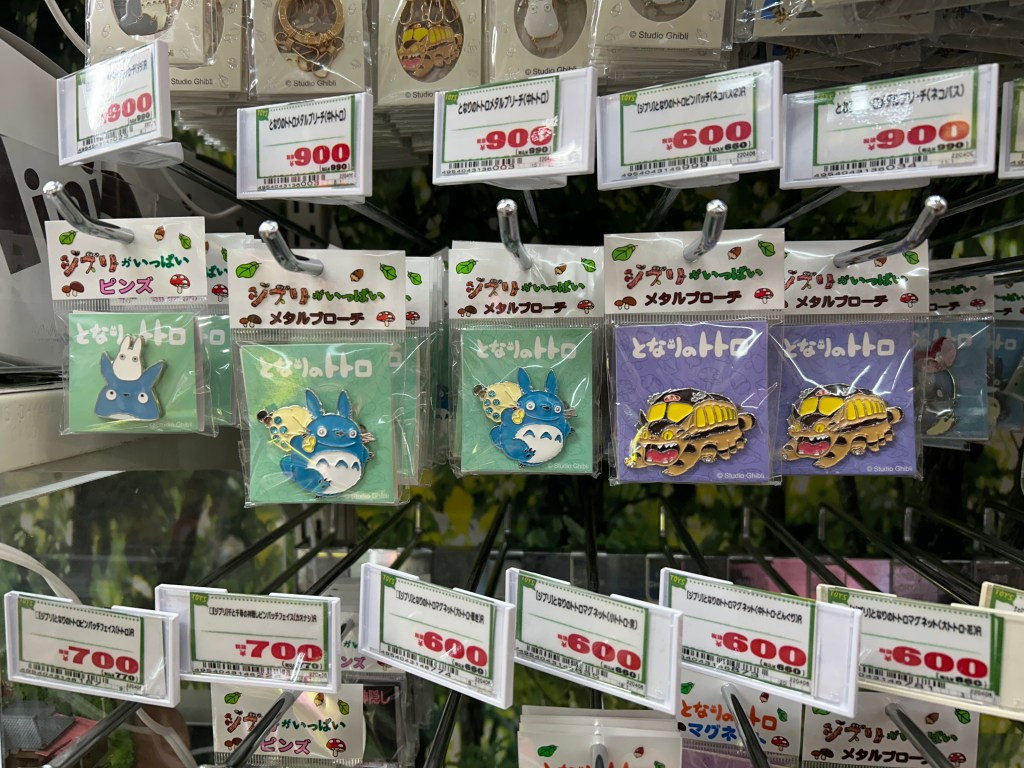
With a google search to find a Japanese mandolin vendor on a Sunday when many areas are closed, we arrived on Kappabashi street. Why does this matter? The street and numerous surrounding city blocks encompasses all things “kitchen”. Popular knife galleries with artist made knives displayed and culinary tourists choosing the perfect folded metal blades. A popular chain store called Don Quijote selling everything from Totaro bathmats to electronics and candy was 7 stories of noisy animated merry-go-round orderly chaos.



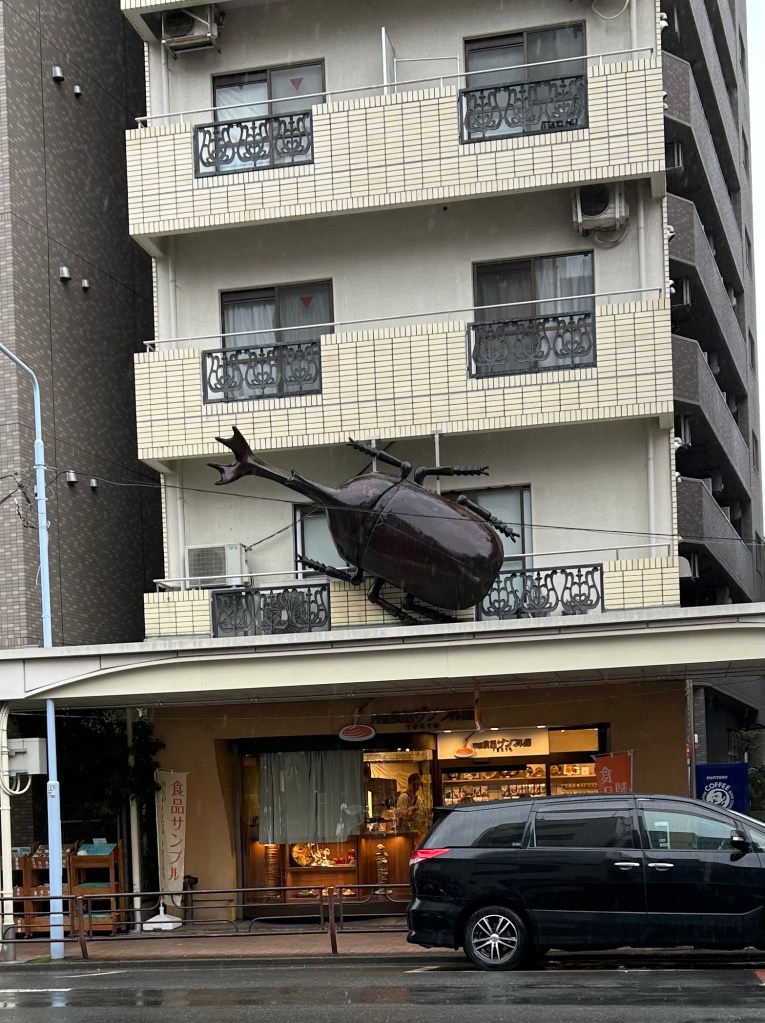
This store selling replica foods was graced with a giant bug on the deck above it.
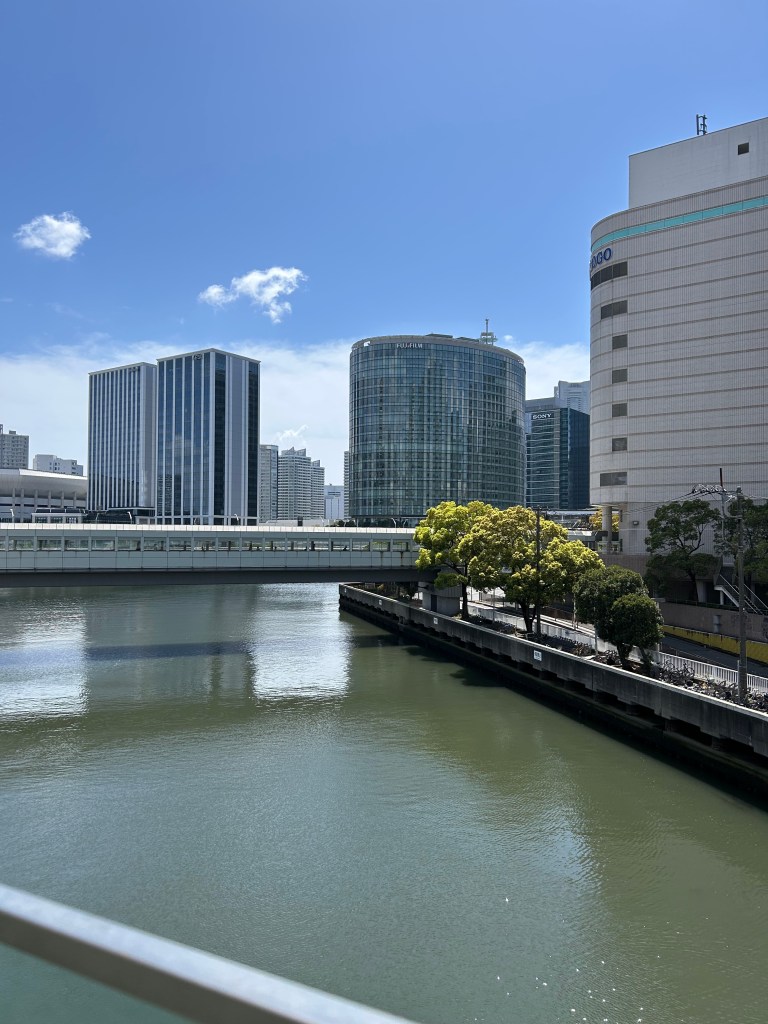
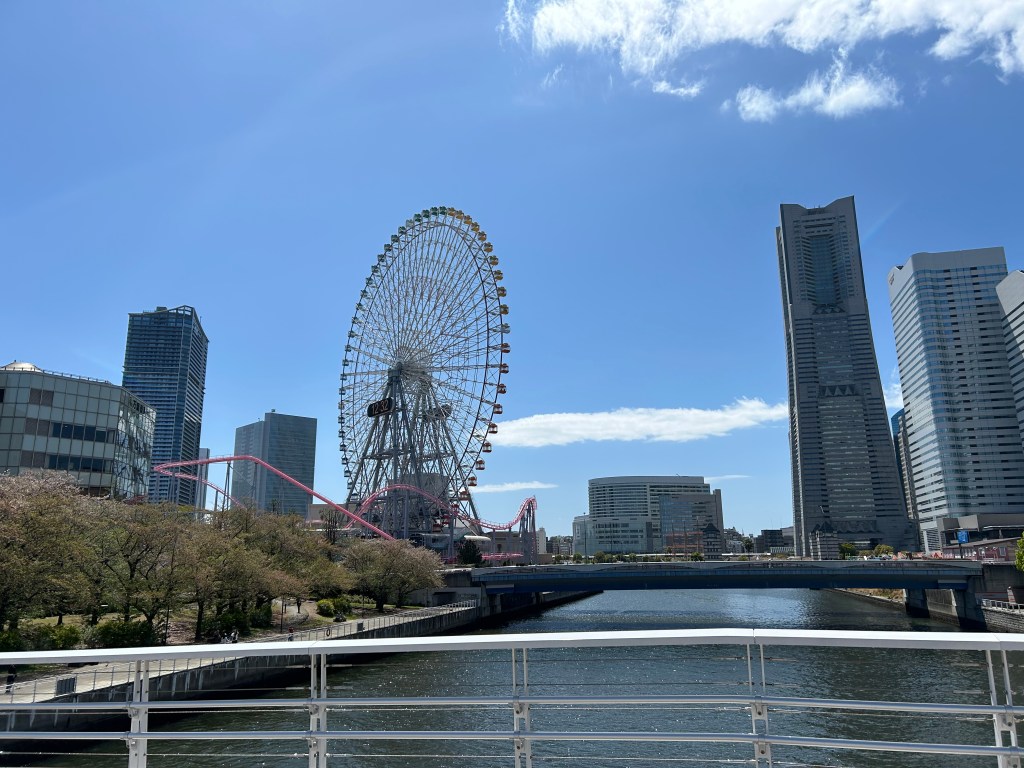
We had time to explore a little on our last day in Tokyo. We left our luggage in secured storage at the hotel and jumped the train to Yokohama. As with many cities, Yokohama was rebuilt after WW2. We got off the train and walked, through the causeways, past restaurants and shopping, a small ferry, and along the water to the convention center and the adjoining park.



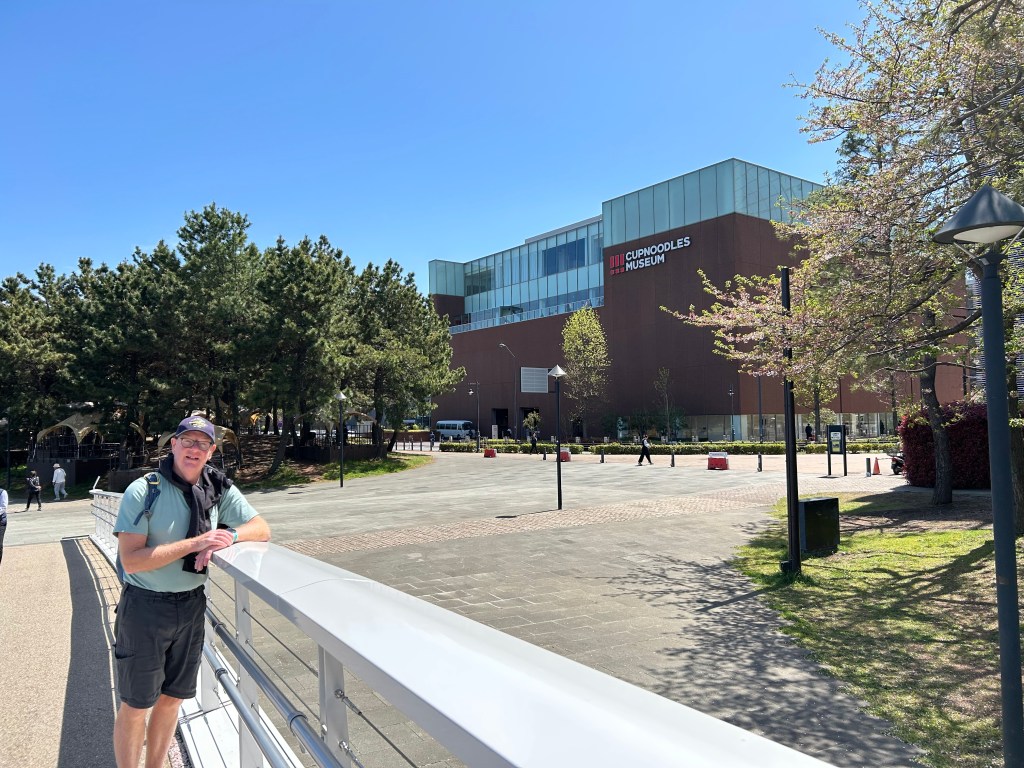
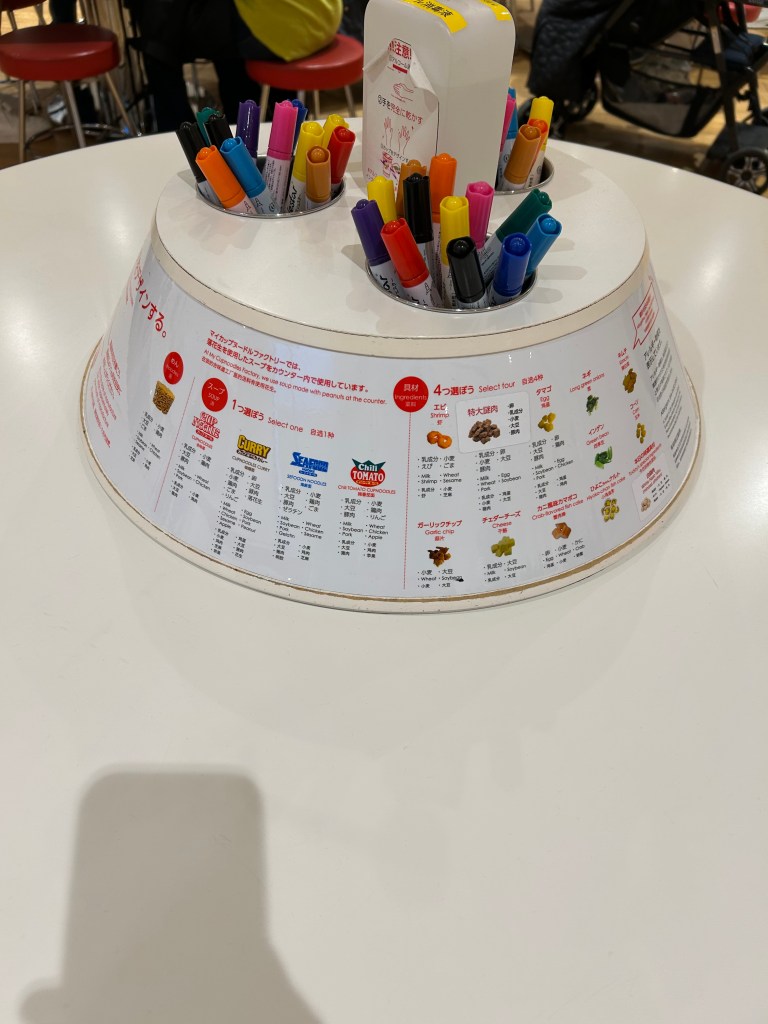
Our unplanned destination became the Cup Noodle Museum. We expected a quirky little one room display but when we arrived at the 4-story building lined with bus parking, without tickets, we worried that we wouldn’t be able to go in. While we didn’t sign up to design our own cup-noodle “cup” and we missed the cooking class where you can make cup-noodles, we did get to tour the museum. This world-famous junk food gained our respect. The background being that people were hungry, poor, without homes, and Mr. Momofuku, an inventor, created the noodles to help feed the masses efficiently and cheaply. We highly recommend a visit if you are in the area.





We headed back to the hotel to get our bags and our last Tokyo experience that we wanted was to take the monorail to the airport. There are numerous trains that take you there, but only one monorail so we figured out how to find it and jumped on! Here are some sights from aboard the monorail train. And the outdoor viewing platform at Haneda airport. Again, a fantastic public space.


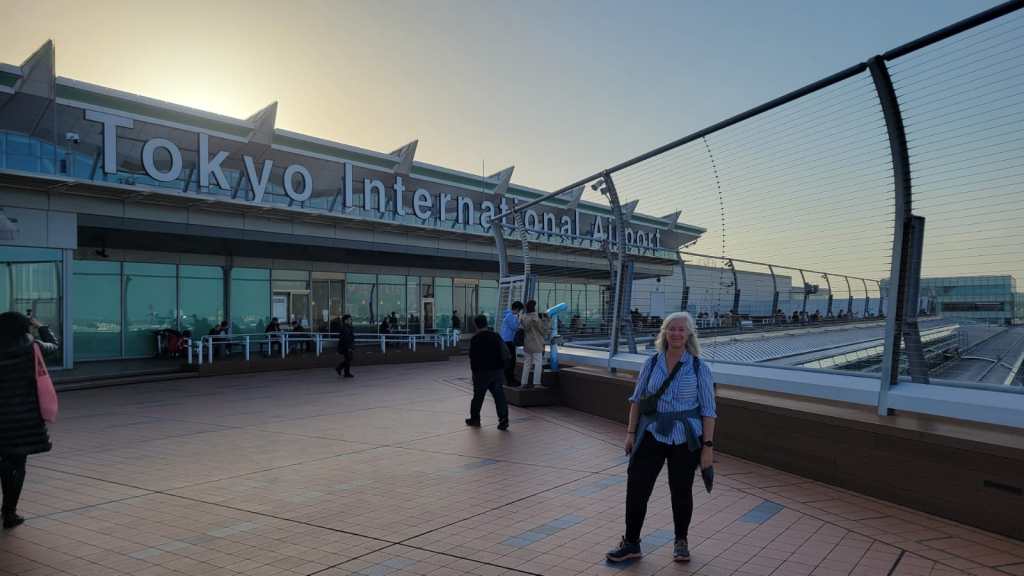
Sayonara Tokyo!
 The Grape Escape
Incredib
LikeLike
Always love reading these. It never ceases to amaze me, how much you can see and experience in such a small space in time!!
Hugs xo
LikeLike